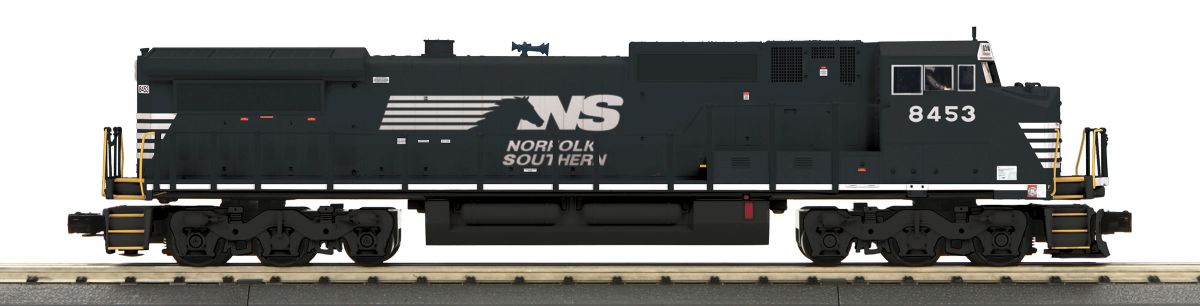
O C40-8 Diesel NS/3.0
In the mid-1980s, as computers found their way into homes
across America, they made their way into locomotives as well. In 1982,
a year after IBM debuted its Personal Computer, General Electric
fielded its first computerized diesel, test unit No. 606. With
microprocessors controlling its engine and other systems, including a
MicroSentry Adhesion System for wheelslip control, No. 606 and its
counterparts at EMD ushered in the third generation of diesel power. By
the end of the decade, the typical American road diesel would be
profoundly different both inside and outside — evolving from
a four-axle hood unit with a narrow short nose and electronic controls
to a high-horsepower, six-axle computerized heavy hauler with a wide
“North American” cab.
After extensive testing of several prototypes, GE delivered its first
production units in 1984, models B32-8 and B39-8 —
“B” for two-axle trucks, “32”
or “39” for 3200 or 3900 horsepower, and -8 to
indicate the new model, succeeding the second-generation -7 lineup. In
part due to the recession of the early 1980s, orders didn’t
really heat up until late 1987, when GE uprated its prime mover to 4000
horsepower and changed the model’s name to “Dash
8.” In the ensuing years, as GE took the lead from EMD in
North American locomotive sales, the Dash 8 series became a best
seller, with over 1500 units delivered by the end of production in
1994.
From the beginning, the Dash 8 was offered in both four-axle (Dash
8-40B) and six-axle (Dash 8-40C) versions. With six-axle units
outselling four-axle units almost seven to one, the sales numbers told
the story of what was happening out on the road: as engine power
increased, twelve wheels were proving superior to eight in getting all
that muscle onto the rails. A 1991 Santa Fe order for 83 Dash 8s would
prove to be the last four-axle road freight diesels GE ever built.
Up in the cab, another dramatic change was occuring. Following the lead
of the Canadian National Railroad, where the wide-nosed
“comfort cab” or “safety cab”
had been standard for over a decade, the Union Pacific Railroad worked
with both GE and EMD to design a safer, more comfortable cab. GE No.
606, the original -8 prototype, became a test bed for the new
“North American cab,” with much input from UP
engine men and crews. Introduced in 1989, the wide-nosed Dash 8-40BW
and Dash 8-40CW and their EMD counterparts established the look of the
American road diesel as we know it today.
Did You Know?
The microprocessor in the prototype Dash 8 recognizes whether the
engine is overheating in a tunnel, as opposed to a malfunction on the
open rails, and allows it to keep operating at full power for ten
minutes, so the crew doesn’t find itself stranded in a
tunnel.
Detailed, Durable ABS Body
Freight Yard Proto-Effects
Featured Products

Goliath Raceway
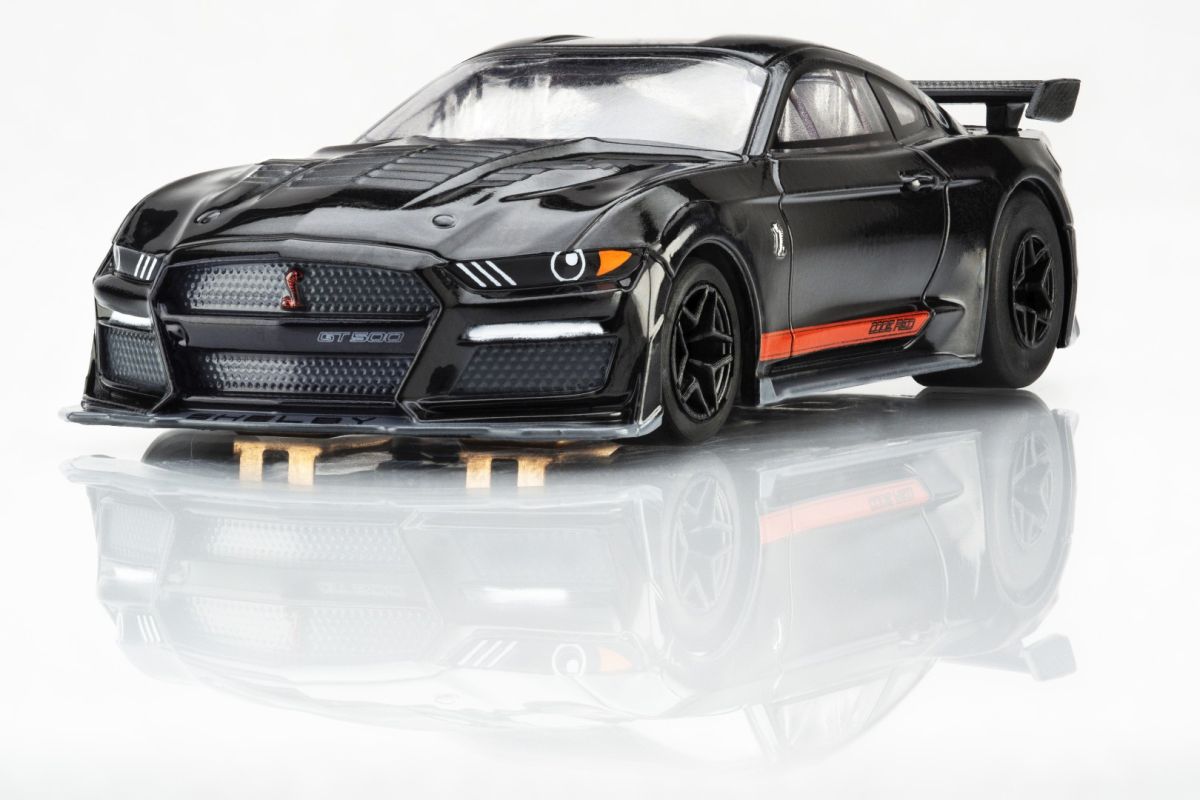
Shellby Mustang GT500 Code Red 2022

TARIFF 1953 Ford Pickup Baja Patrol Skill 2
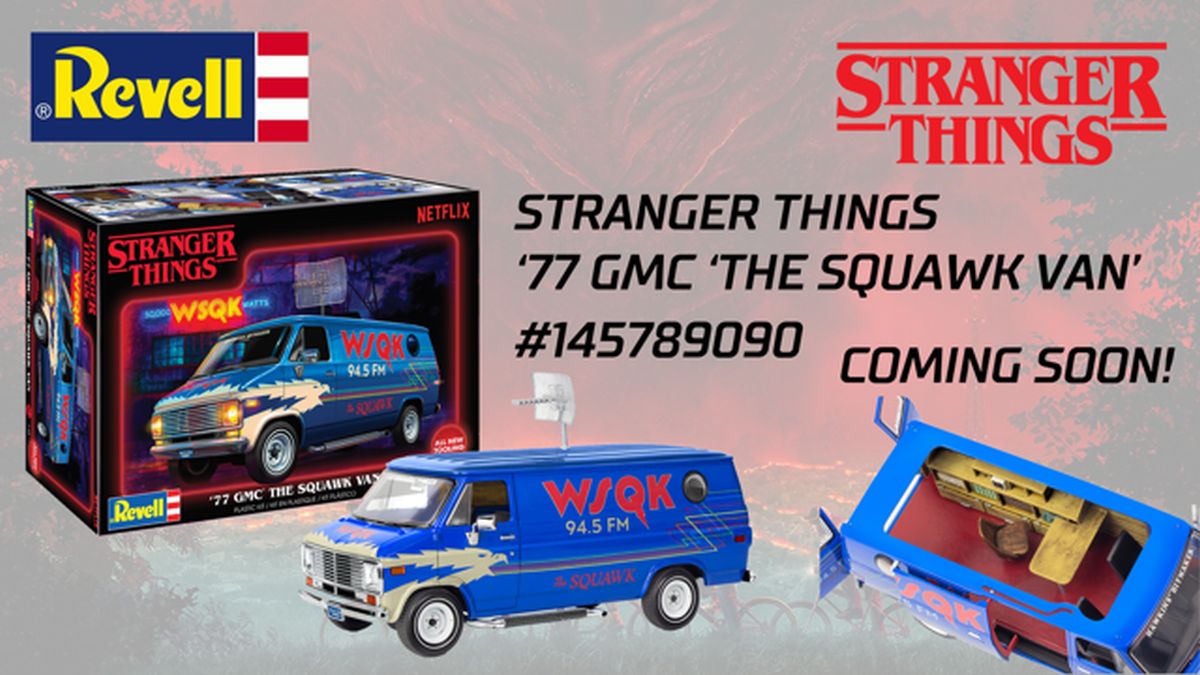
77 Gmc The Squawk Van – Stranger Things Skill 3
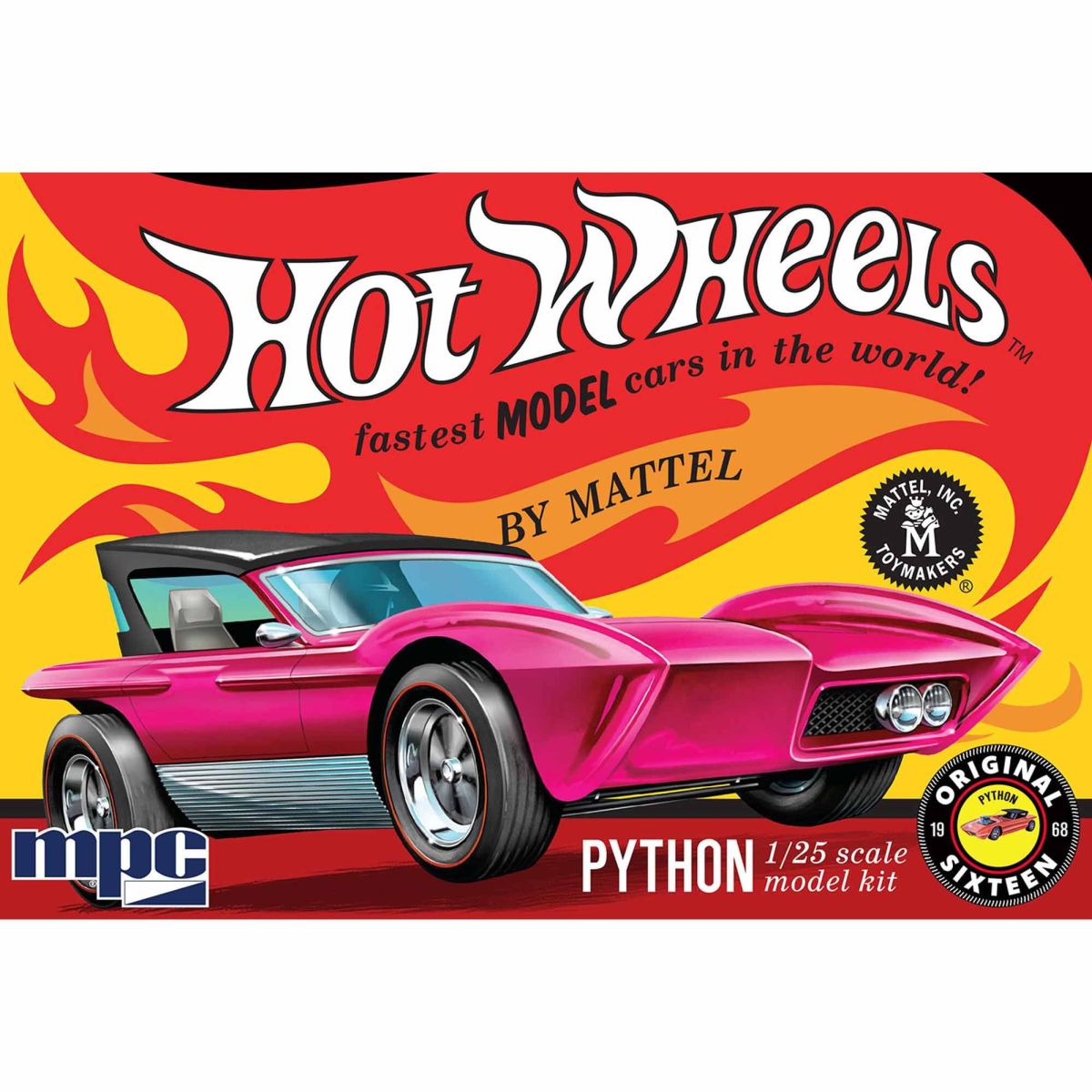
TARIFF Hot Wheels Python Skill 2

HO Code 83 #6 Turnout RH – UNI
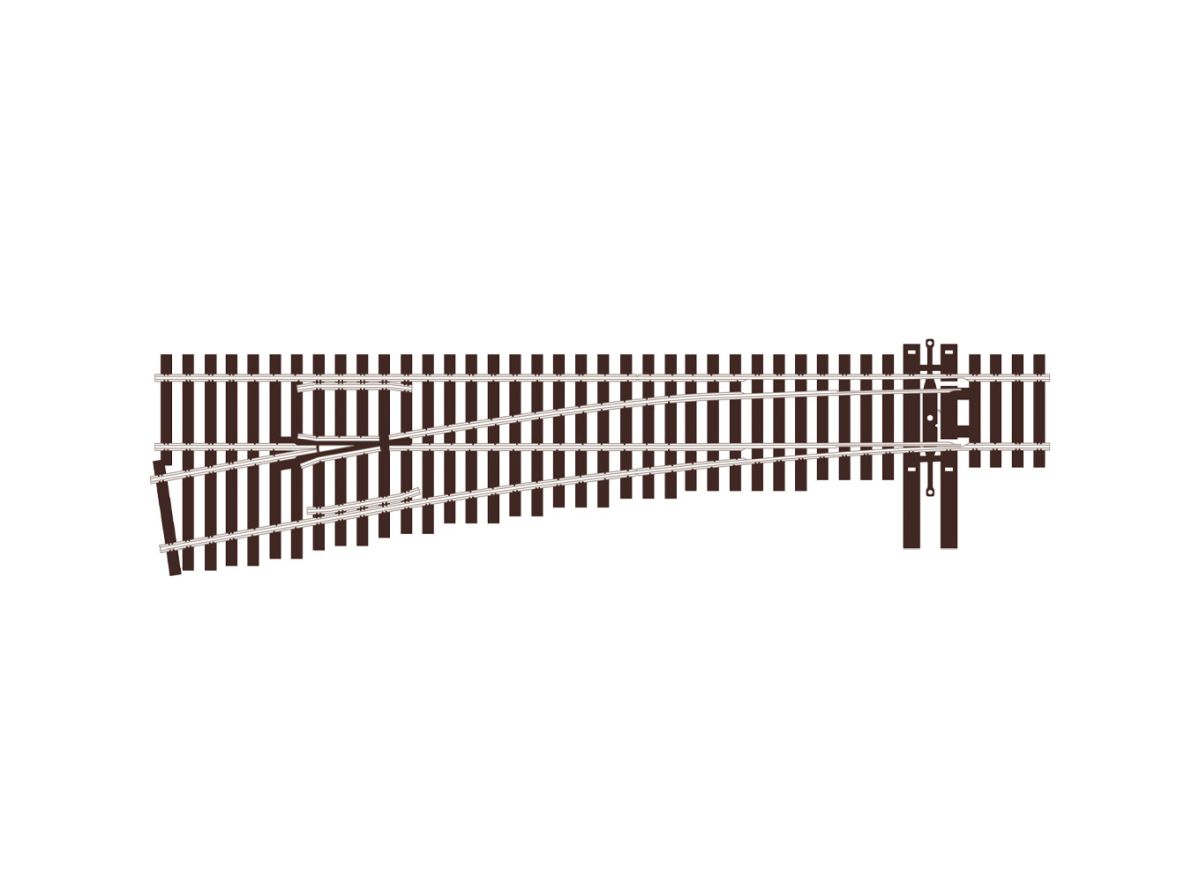
HO Code 83 #6 Turnout LH – UNI
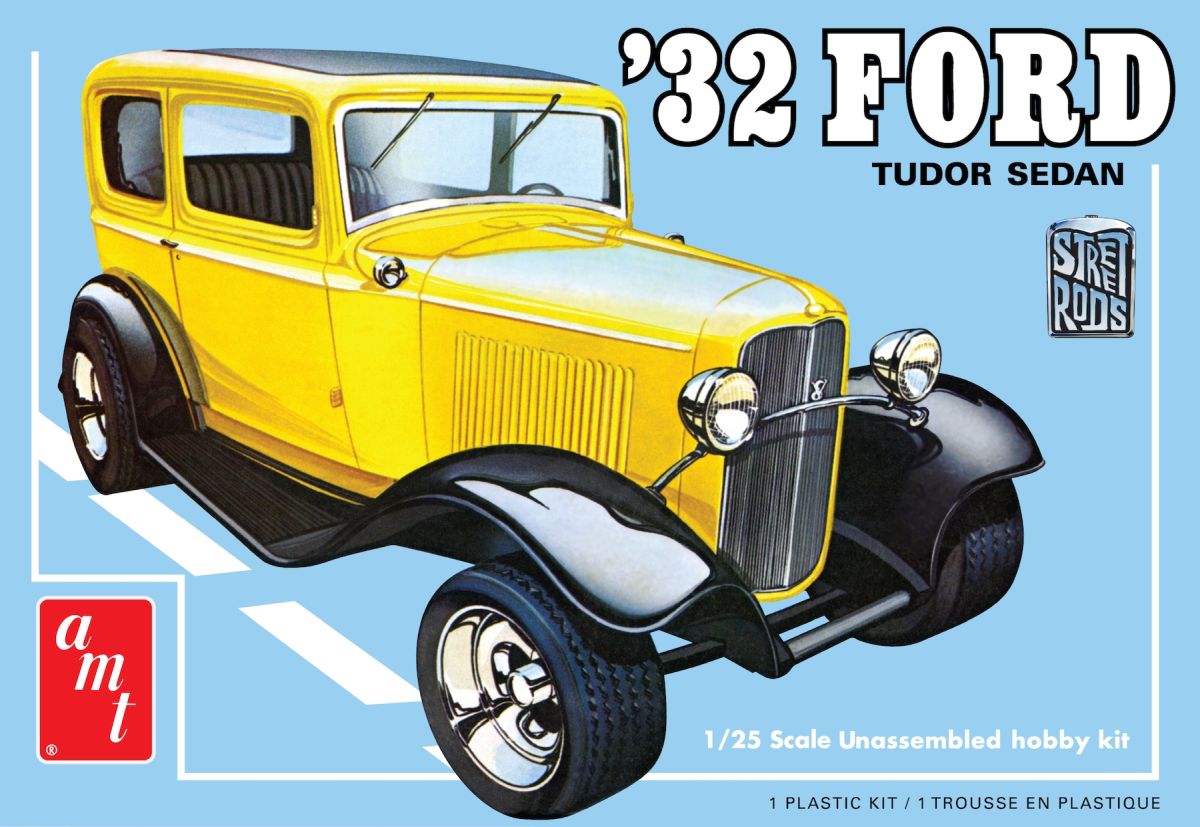
TARIFF 1932 Ford Sedan Street Rods Series Skill 2
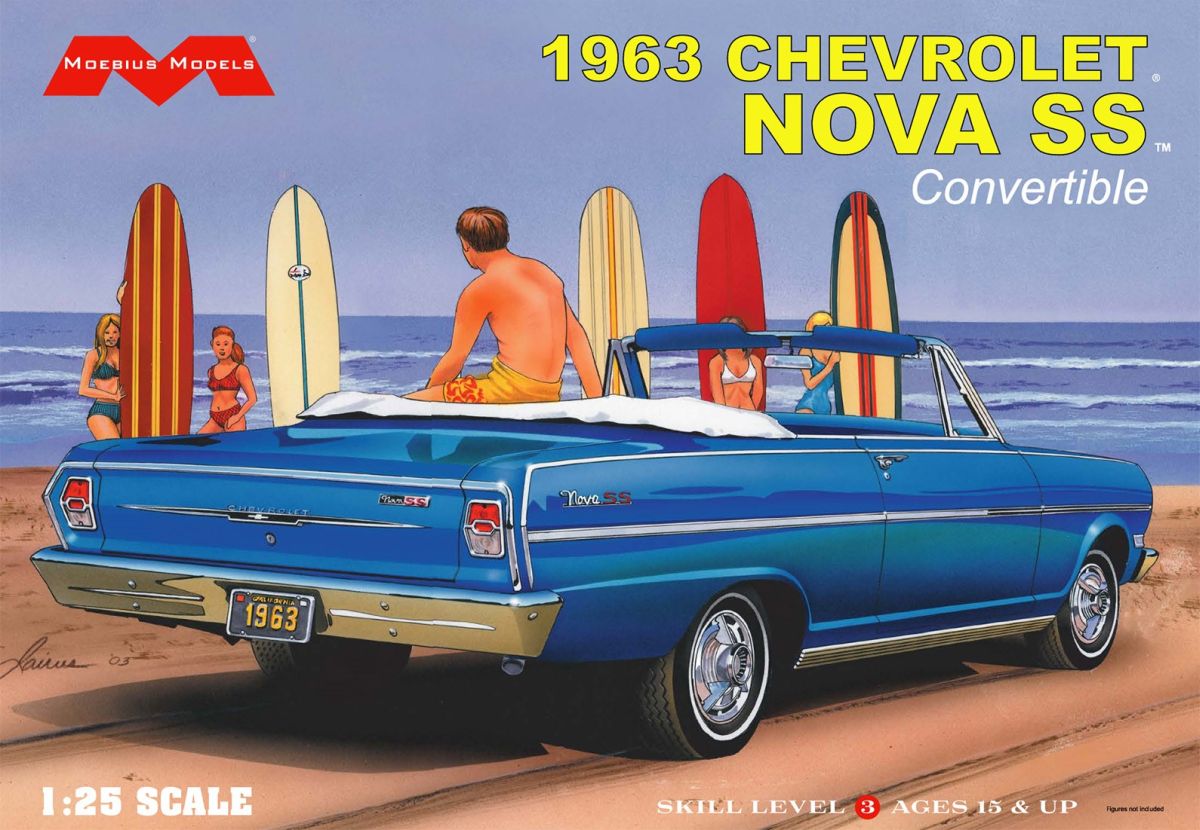
1963 Chevrolet Nova SS Convertible
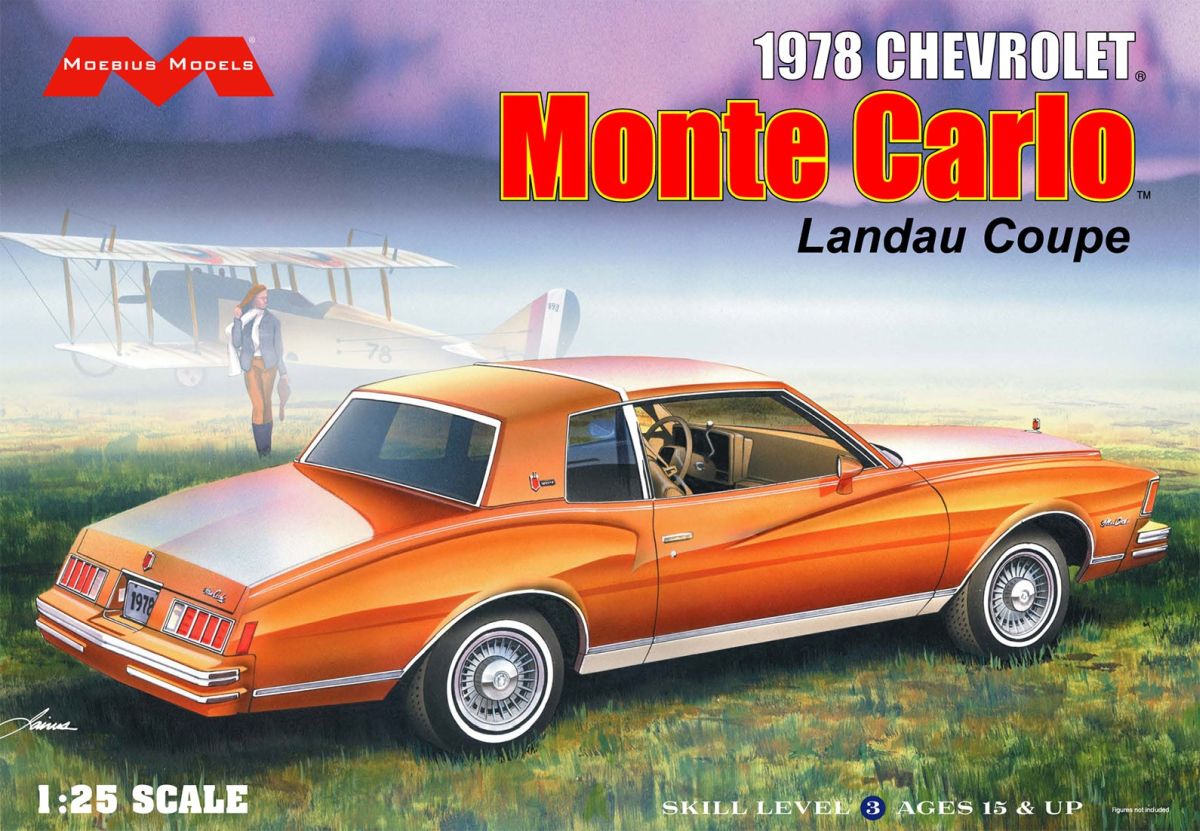
1978 Chevrolet Monte Carlo Landau Coupe
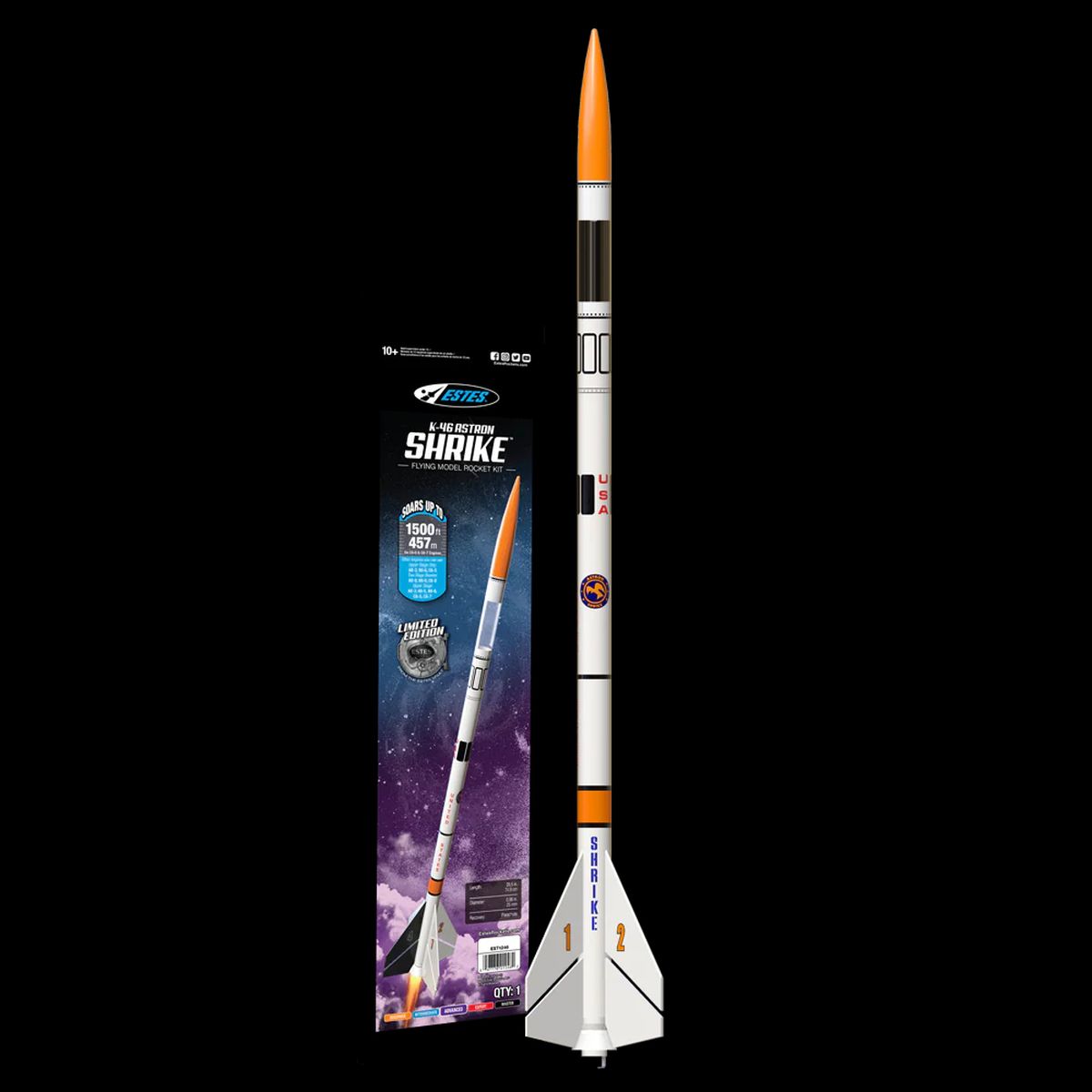
K-46 Astron Strike Skill ADV