
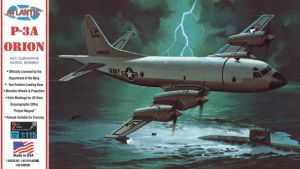
P3A Orion
1/115 scale, molded in white with additionalmarkings for Project Magnet Naval Oceanographic office. Originallyreleased as the Lockheed Electra. Officially licensed by the US Navy,look for the official Navy Hologram on your kit!
History of the Lockheed P-3A Orion
Orion, in ancient mythology, was a mighty hunterand the son of Neptune, god of the sea. Orion, in modern aviation, is amighty submarine hunter and the offspring of the US Navy’s P2V Neptunepatrol bomber.
The P-3 Orion was designed for use by the US Navy as asubmarine hunter and replaced the Neptune. The P-3 was nearly twice asfast as the Neptune and its range increased by almost 60% over that ofthe P2V. The first Orion was delivered to the US Navy Squadron VP-8 inJuly 1962 and within six months this unit was fully equipped withP-3’s.
The P-3 was developed from the Electra turboprop poweredairliner. The airliner’s spacious interior offered an ideal compartmentfor the many radar and electronic consoles necessary for effectiveanti-submarine warfare. The Orion’s prototype was the third Electraairframe modified to the anti-submarine configuration. The overalldimensions of the P-3 are slightly larger than the Electra airframe:Wingspan is 99′ 8″, Length 116′ 10″, and Height 33′ 8″.
External pylons used for additional weapons stores suchas torpedos, rockets or depth charges, are attached beneath the wings.As a weapon the P-3 can carry 10,900 lbs of sonobuoys, homing torpedoesand nuclear depth charges. The entire weapons load may be dropped in 20seconds if necessary.
The prominent “stinger” extending from the Orion’s tailhouses a MAD antenna (Magnetic Anomaly Detector). This system issensitive to very small changes in the magnetic field of the Earth,typical of those caused by a submerged vessel or other target. The MADdetector is capable of locating the target with sufficient accuracy tomake effective use of the Orion’s weapons.
Another submarine detection device carried by the P-3 iscalled a Trail Detector. This sensitive machine “sniffs” the air forhydrocarbon exhaust fumes emitted by diesel engines and sounds an alarmwhen an appreciable amount of the fumes are encountered. Also mountedunder the starboard wing is a high intensity anti-shipping searchlight.
Radar scanners, located in the nose and tail of theplane, provide 360-degree coverage on one scope. Four bulgedobservation windows are located in the fuselage sides for visualsightings.
Four Allison T56-A-10W turboprop engines deliver a totalof 16,200 e.s.h.p. for a maximum speed of 470 mph. For greater fueleconomy the Orion normally cruises on two engines. So much reservepower is available that the P-3 can climb on only 2 engines at fullcombat weight. Normal loaded weight is 125,000 lbs.
In 1962 the P-3’s flew operational flights in theenforcement of the Cuban Blockade. This operation provided actual proofof the ability of the Orion to ferret out unwanted visitors.
Your model of the Lockheed P-3 Orion carries the markingsof VP-8 Patrol Squadron, the first to operate this spectacularaircraft. VP-8 is based out of Patuxent, Maryland.
Featured Products

Milliput Fine White Epoxy Putty
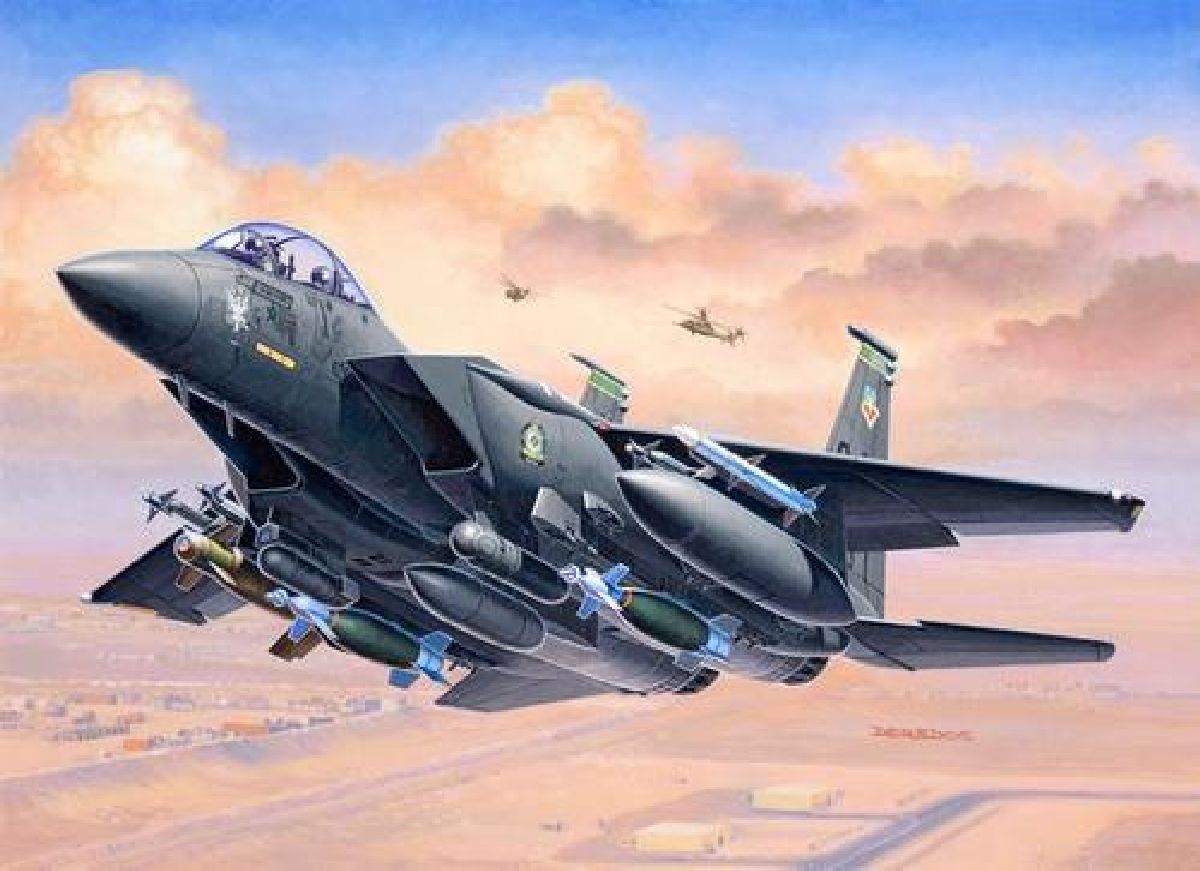
Starter Kit F-15e Strike Eagle & Bombs Skill 4

Grumman F-14D Tomcat
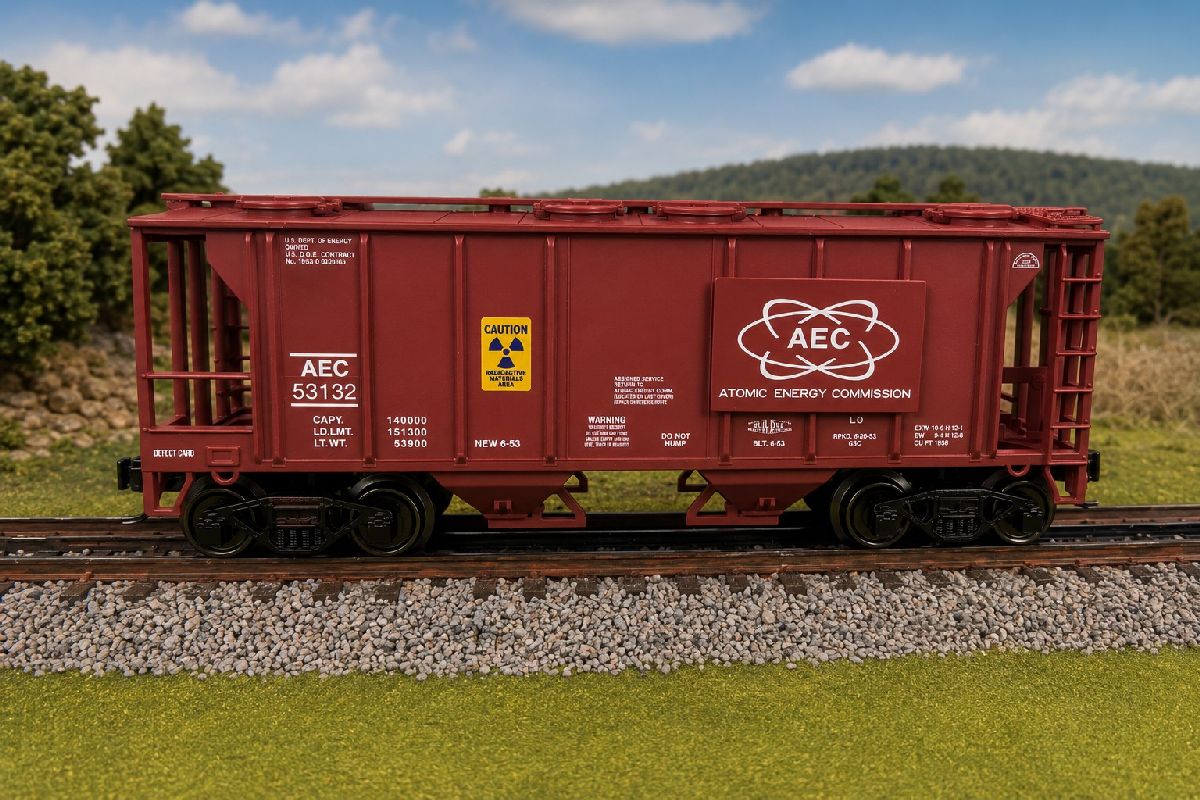
O 2 Bay Covered Hopper Atomic Energy

O Woodside Reefer Gold Top Beer

Brick Set Testarossa Supercar Building Set

1/12 R/C Lunch Box EVO.

McLaren F1 MCL38 Austin

Convair B-58 Hustler Jet
N GG-1 CR Bicentennial #4800/redwhtblu
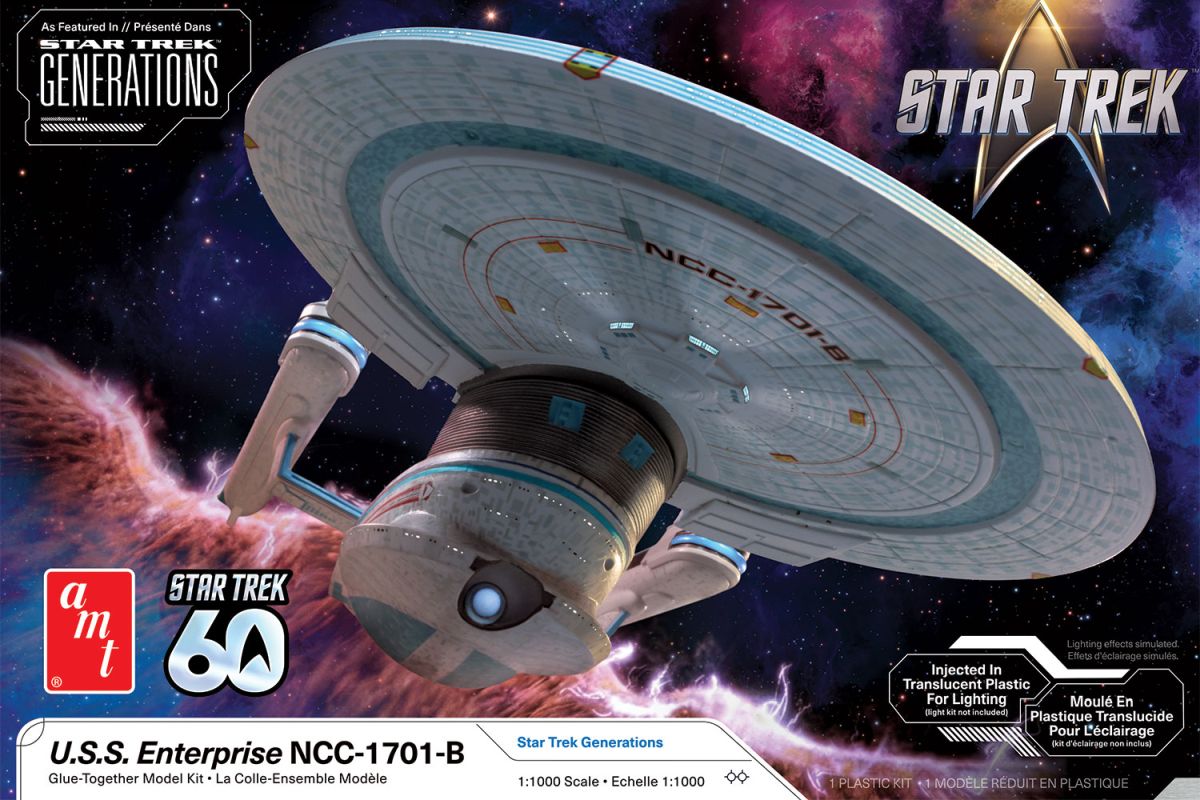
Star Trek: Generations U.S.S. Enterprise NCC-1701-B S
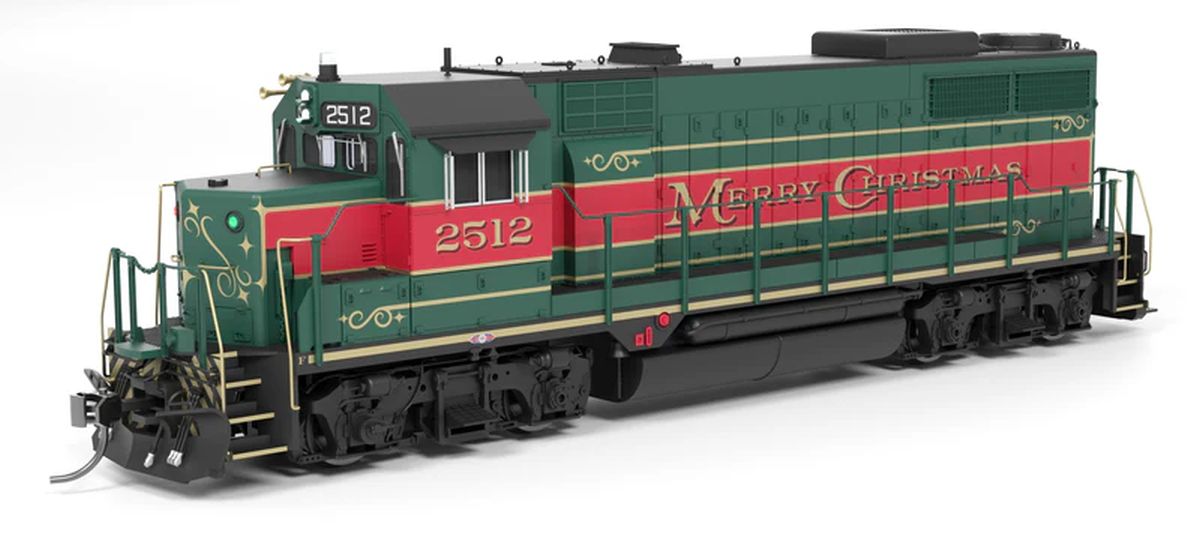
HO EMD GP35 Christmas Holiday Scheme P4 Diesel Sound/DC/DC
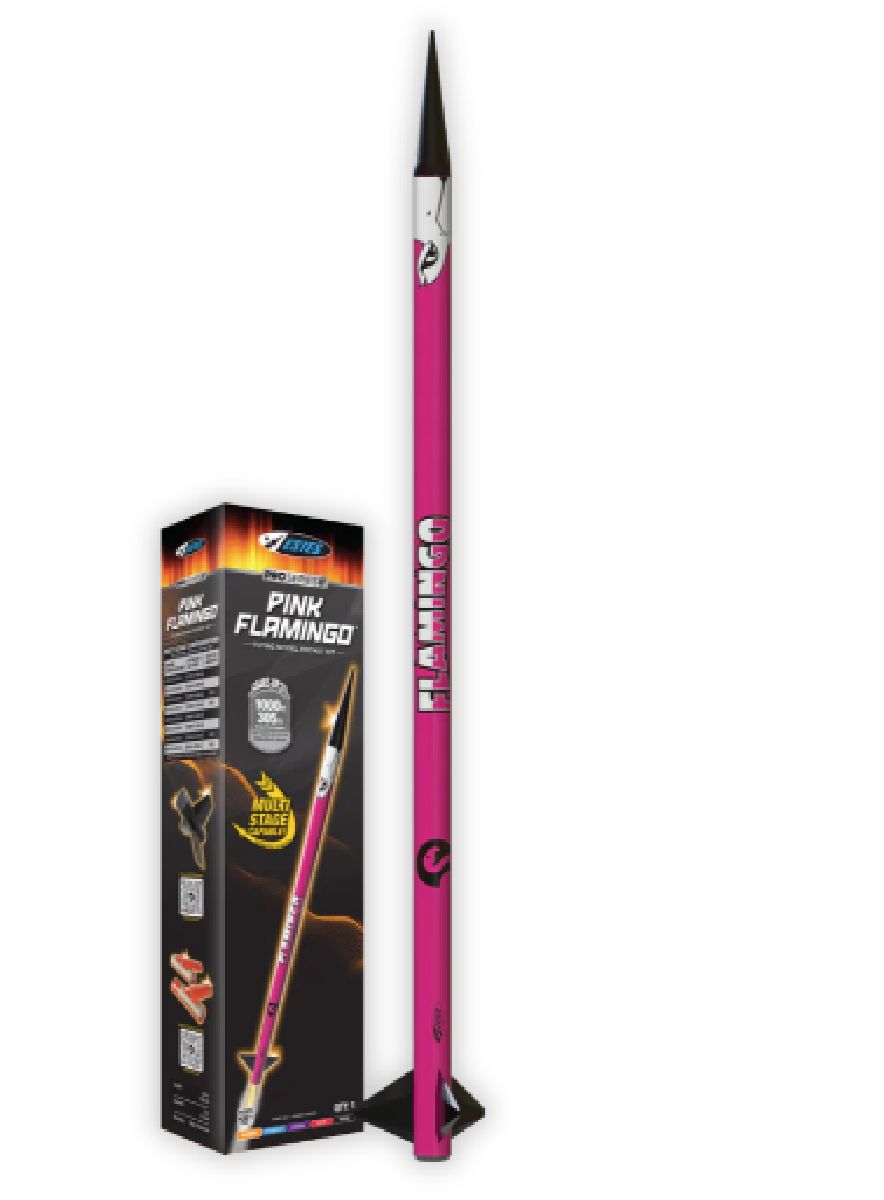
Pink Flamingo Skill PRO