
O Trainmaster Diesel CNJ/Dmy.
Fairbanks Morse got into the locomotive business because it madesubmarine engines. FM’s unique opposed-piston diesel engine poweredabout half the U.S. Navy’s World War II submarine fleet and developed agreat reputation for reliability; the adaptation to railroad equipmentduring and after the war seemed like a natural transition.
In the opposed-piston motor,each cylinder had a piston at either end and the combustion chamber inthe middle. There were no valves or cylinder heads. Intake and exhaustoccurred through holes in the cylinder walls. The upper and lower banksof pistons each powered a separate crankshaft, and the two crankshaftswere linked together to power the locomotive. While this sounds like acomplex way to build an engine, the O.P. diesel in fact had severaladvantages over a conventional motor: less moving parts, terrificacceleration, and about double the horsepower per cylinder.
In 1953 the O.P. enginereached its zenith in the Trainmaster. Introduced at the RailroadManufacturers’ Supply Association show that year, FM’s new locomotivetook the show by storm. It was the most powerful single-motored diesellocomotive of its era and had a brawny body to match its bold name.Emblazoned in bright yellow and red, four Trainmaster demonstratorsbarnstormed the country and walked away with any consist the railroadsthrew at them. For one brief moment, Fairbanks Morse looked like acontender.
Ultimately, however, theopposed-piston engine proved ill-suited to locomotive use. Thebone-jarring railroad environment was much rougher on the motor than asubmarine cushioned by an ocean. The top crankshaft proved prone to oilleakage. Perhaps most important, maintenance was a nightmare. Whereas asingle bad cylinder in an Electro-Motive diesel could be accessed bypulling off one cylinder head, a cylinder repair in an O.P. enginerequired removal of the top crankshaft and removal or disconnection ofthe entire top bank of cylinders – which also meant the roof of thelocomotive had to come off. Ultimately, only 127 Trainmasters were soldto 11 U.S. and Canadian railroads.
In the world of O gaugerailroading, however, the Trainmaster was a hit from the moment it wenton the market in the mid-1950’s. The engine’s massive size andtremendous pulling power have made it one of the most-loved enginesamong 3-rail operators for nearly half a century.
Featured Products

Tiny Adventures – Harry Potter Quidditch Field Skill 14+
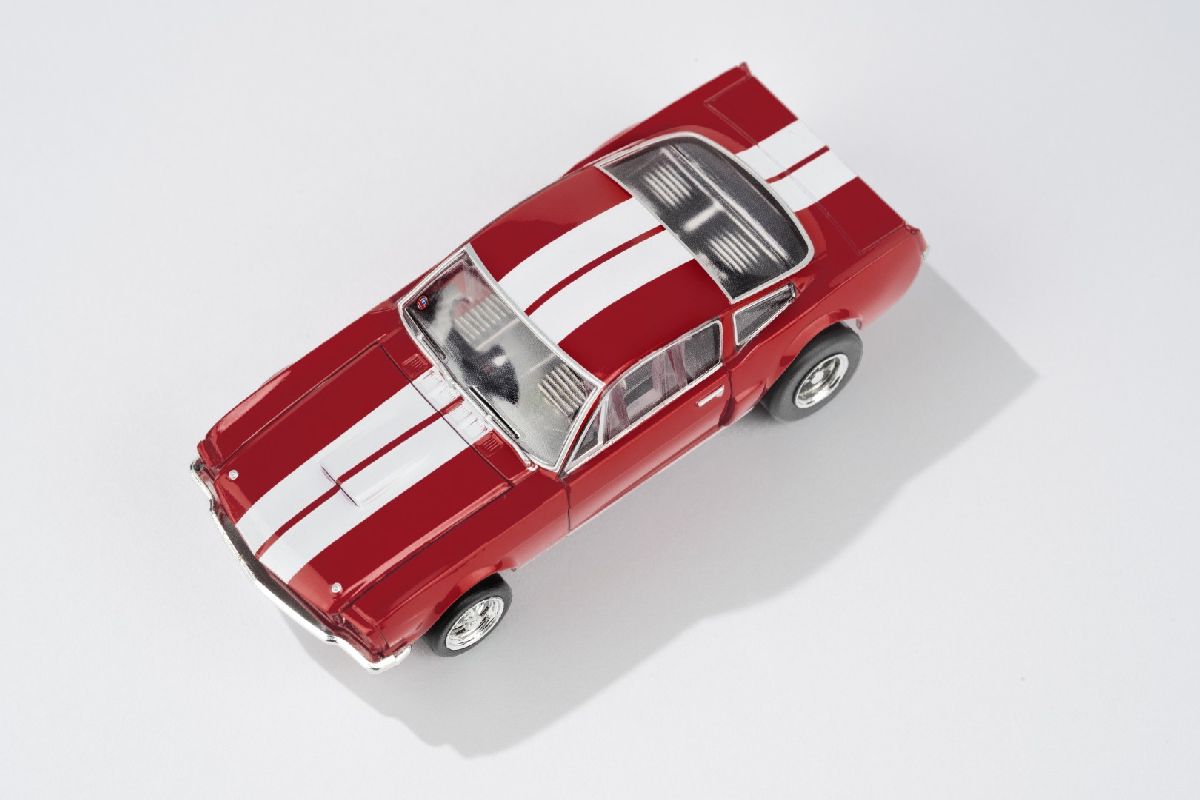
Shelby GT350 1966 Red Wht Stripes
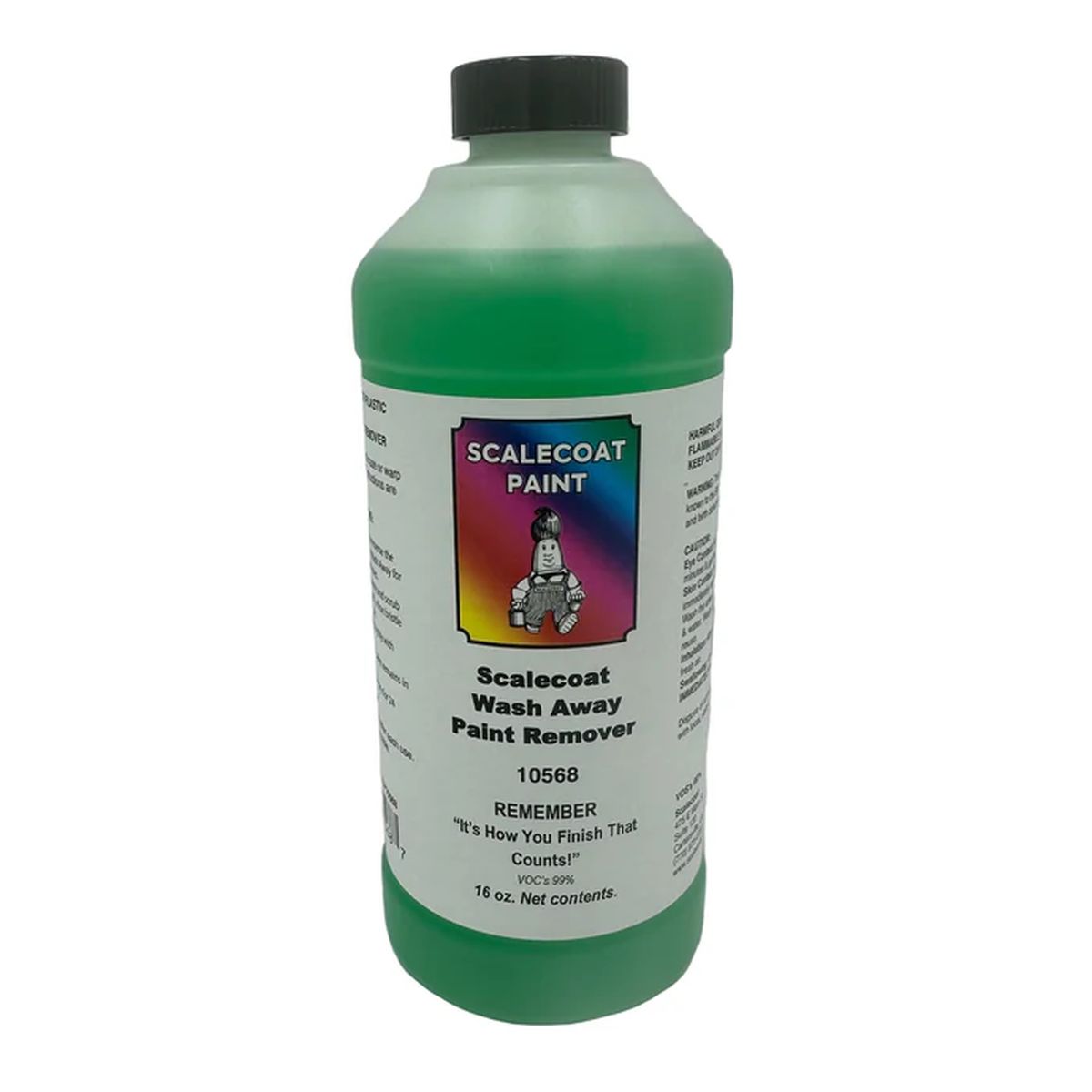
Wash Away Paint Remover
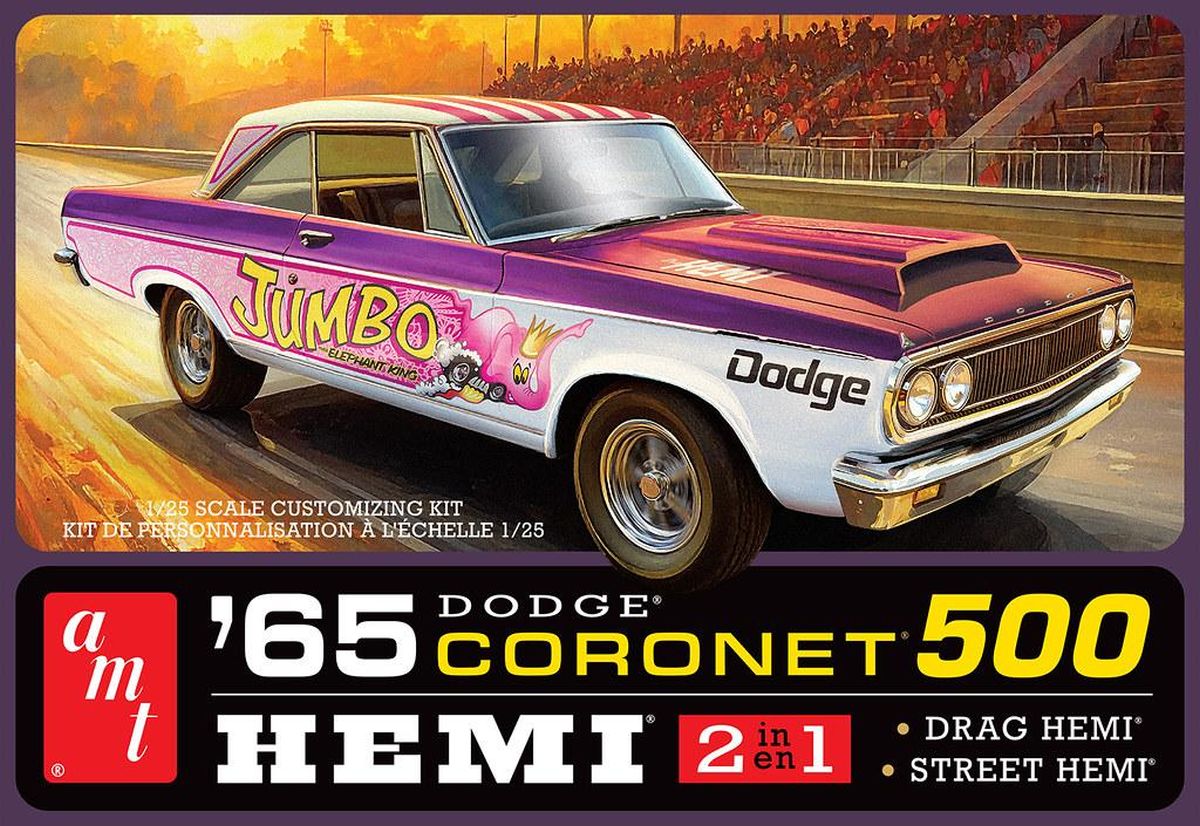
1965 Dodge Coronet 500 Hardtop HEMI Skill 2
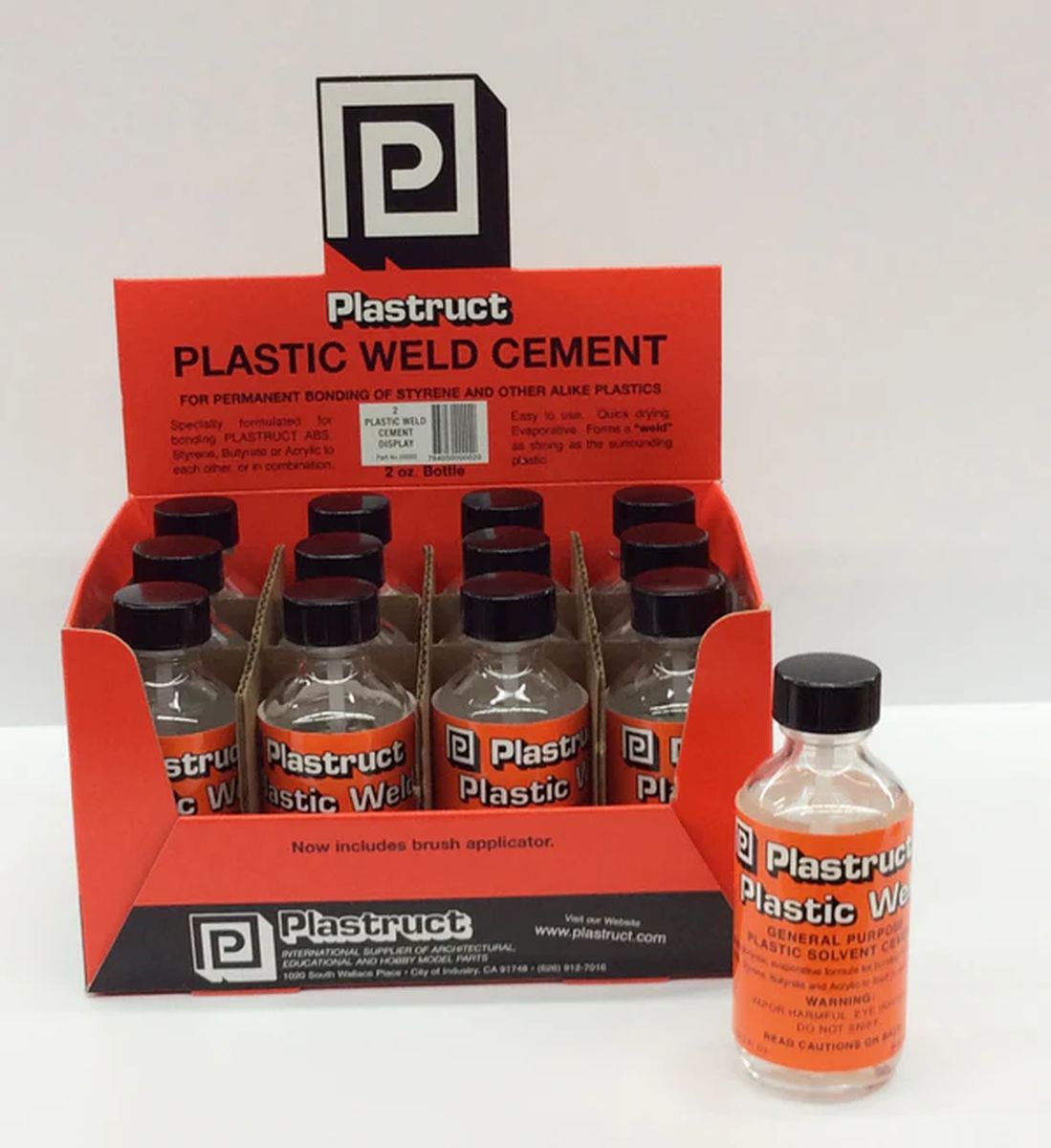
Plastic Weld Cement/12bx
Chrome for Plastic 1oz
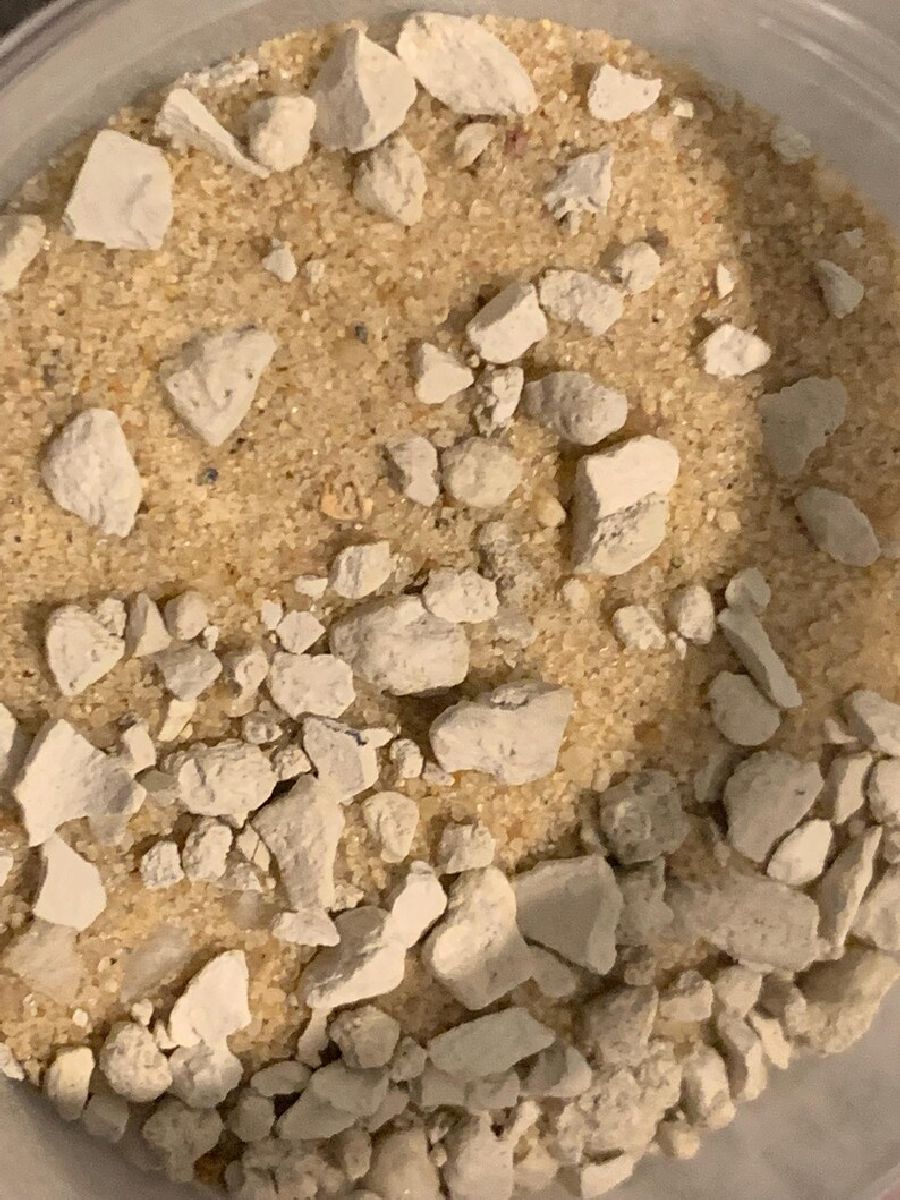
Shattered Rubble 2oz. Jar
DVIRRXK101 HO Railroad Crossing Kit Lamplighter DFL w/ Power