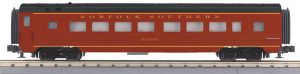
O NS 60′ Streamlined Coach Psg.Car
The lightweight, streamlined passenger car was a product ofthe Great Depression. While the heavyweight steel cars built in theteens and 1920s were dependable and often luxurious, their dark colorsand solid, battleshiplike exteriors did little to lift the spirits at atime when the entire nation needed a pick-me-up. As noted railroadhistorian John H. White, Jr. put it in The American Railroad PassengerCar, “Some hope during these gloomy years was offered by a new designconcept called streamlining. It presented a sleek, modern image ofspeed and innovation. What had been an obscure technical term inaerodynamics was made into a household word through an astute publicitycampaign mounted by several railroad traffi c departments. It succeededin creating a general interest in railroading practically unknown sincethe opening of the fi rst transcontinental line. According to RailwayAge, ‘For the fi rst time in many years, the words ‘sold out’re-entered the ticket clerk’s vocabulary.'”
But as White notes, the real change in passenger carconstruction was in weight, not the streamlined appearance that waslargely for show: “Weight, not air friction, was the chief obstacle toeconomic operation.” Unlike the heavyweights, the lightweight cars thatdebuted in the mid-1930s featured sides and roofs that contributed totheir structural strength, eliminating the need for the heavyweights’massive underframes. Trucks went from six wheels to four, non-revenuespace was decreased by using a vestibule on only one end of the car,and lighter, stronger, more rust resistant steel alloys came intowidespread use. A typical new lightweight could be 15-20 tons lighterthan the heavyweight car it replaced.
As with the diesel revolution that was simultaneously takingplace, one of the key players in the changeover to lightweights was notan established industry name, but an upstart new player from theautomotive industry: the Budd Company of Philadelphia, a supplier ofauto body stampings. In 1928, Edward G. Budd had heard about stainlesssteel, a lightweight, rustproof metal introduced in 1912 by Krupp ofGermany. Budd was the first to grasp the potential of stainless beyondcutlery and novelty items. The key problem was the inability ofstainless steel to be fabricated with normal welding techniques. Budd’schief engineer, Colonel Earl J.W. Ragsdale, spent five years developingthe key process needed to make stainless into a viable structuralmaterial: the patented Shotweld electric welding process.
Beginning with the Burlington’s Pioneer Zephyr of 1934,gleaming Budd-built trains, constructed almost entirely of stainless,helped defi ne the look of the streamlined era to the American public -even on railroads like the Pennsylvania and Norfolk and Western thatpainted over the stainless with company colors. While other carbuilders such as Pullman countered with stainless-sheathed steel carslike the Southern Pacifi c’s Daylights, they were forced to use rivetsrather than welding for construction. In later years, the result wasthat Budd cars lasted almost indefi nitely, while thestainless-sheathed imitators were plagued with out-of-sight rustingunder the sheathing.
RailKing Passenger Cars are available in the popular 60’Streamlined and Madison style bodies. Configured in 4-car, 2-car andsingle-car configurations, each type features car interior detail,overhead interior lighting, end-of-car diaphragms and intricateunder-car detail. All configurations are mounted atop die-cast metal 4or 6-wheel trucks with operating metal couplers, metal wheels and metalaxles.
Designed to bring authenticity and smooth performingoperation to any O Gauge layout, modelers will find no finer O Gaugevalue than RailKing Passenger Cars.
Featured Products

Tiny Adventures – Harry Potter Quidditch Field Skill 14+
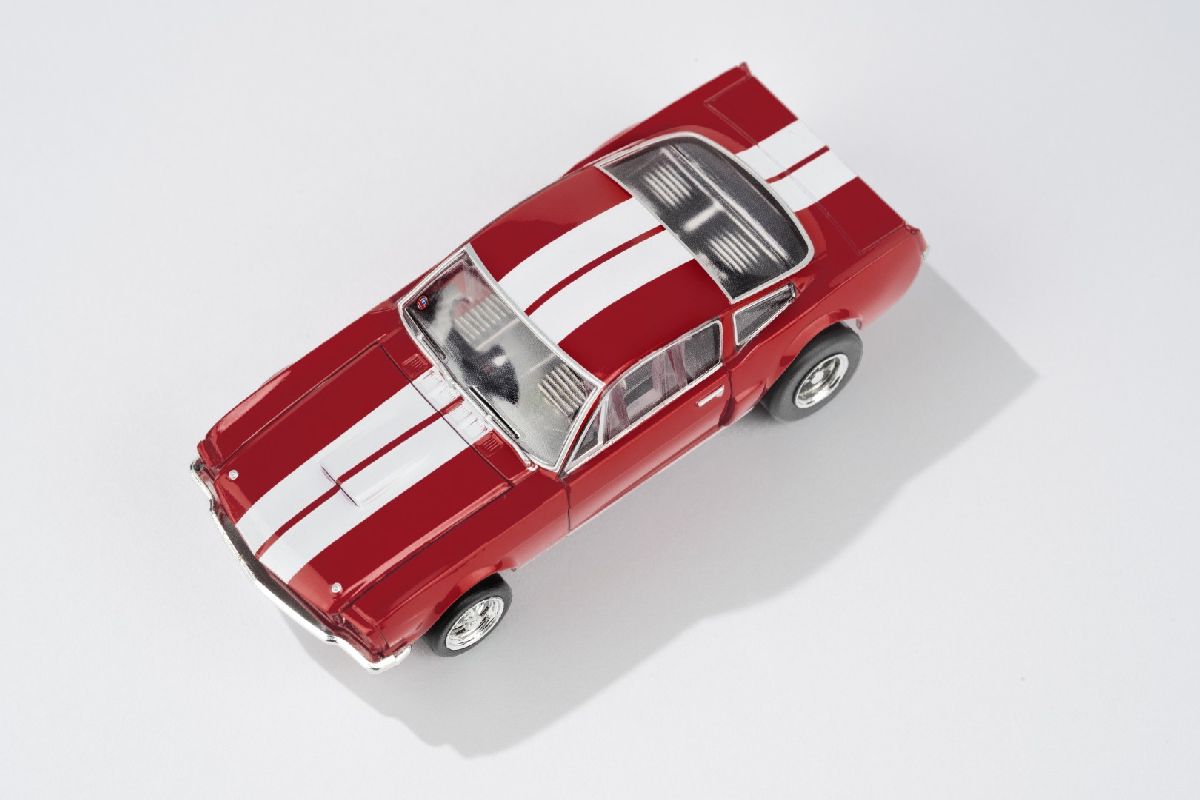
Shelby GT350 1966 Red Wht Stripes
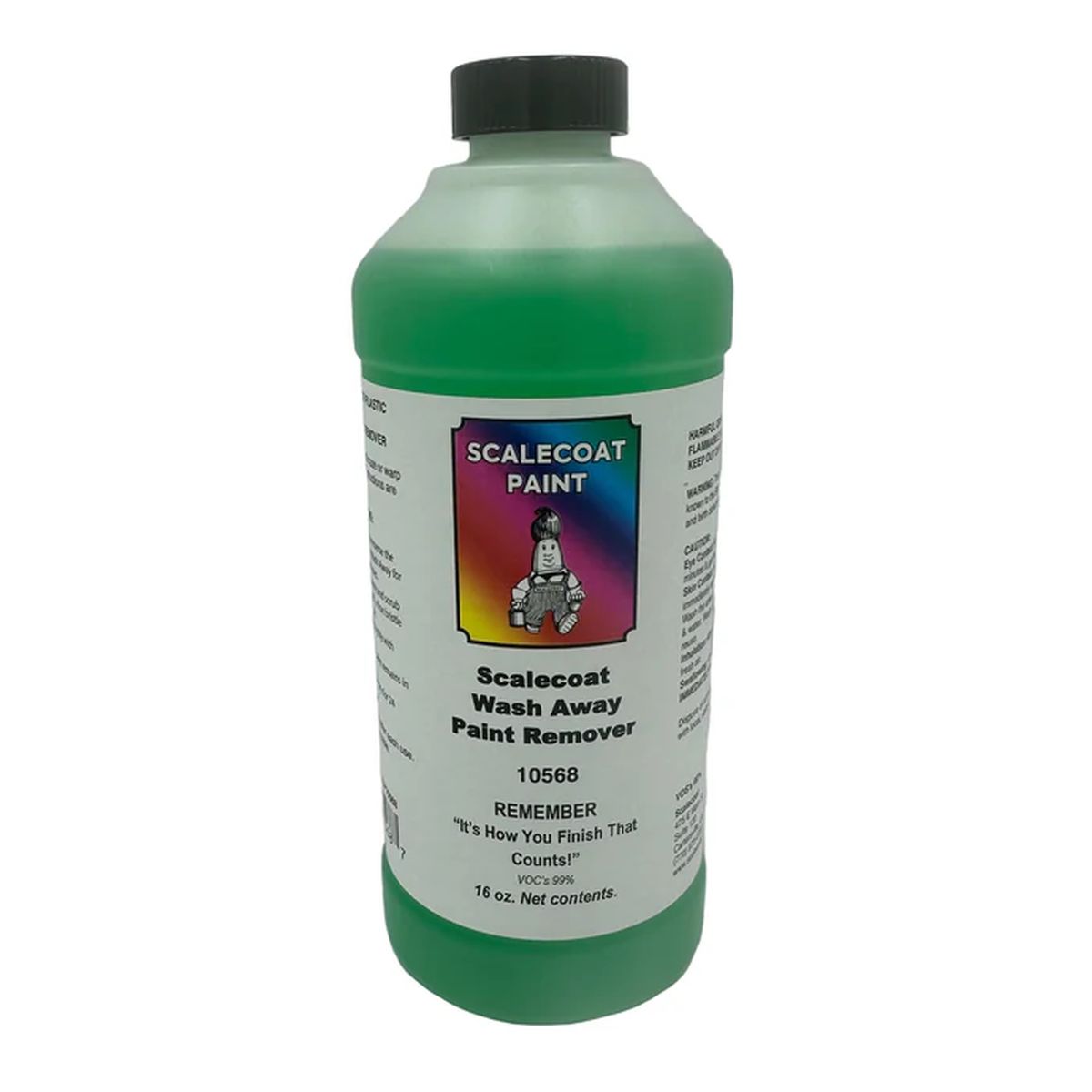
Wash Away Paint Remover
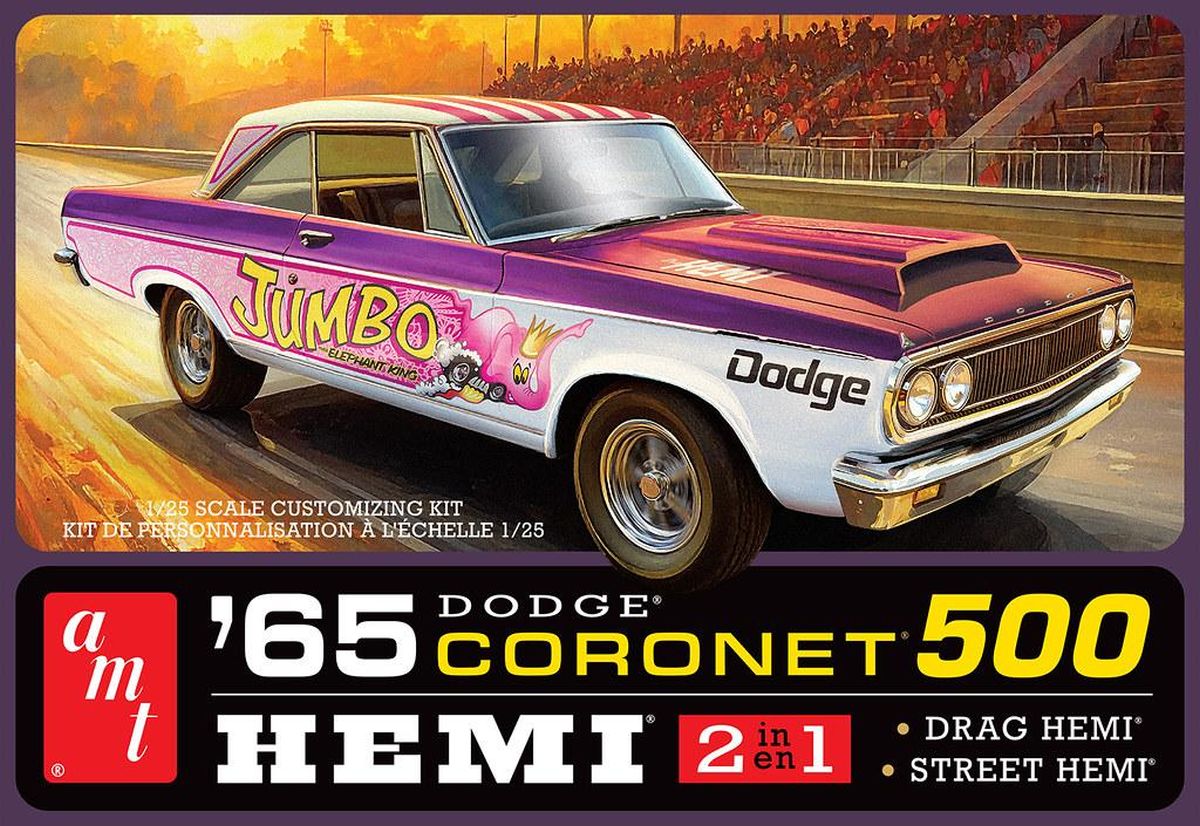
1965 Dodge Coronet 500 Hardtop HEMI Skill 2
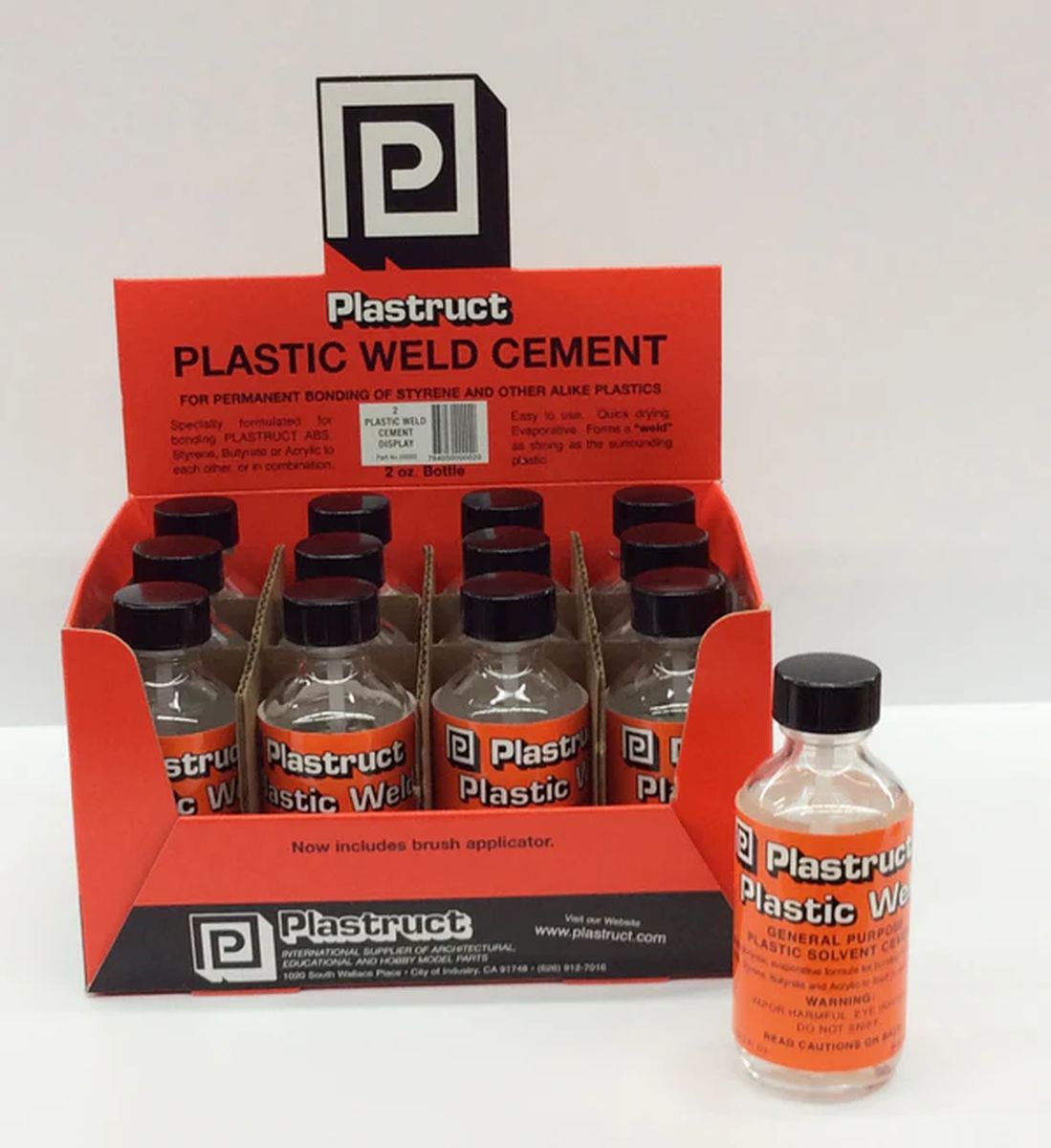
Plastic Weld Cement/12bx
Chrome for Plastic 1oz
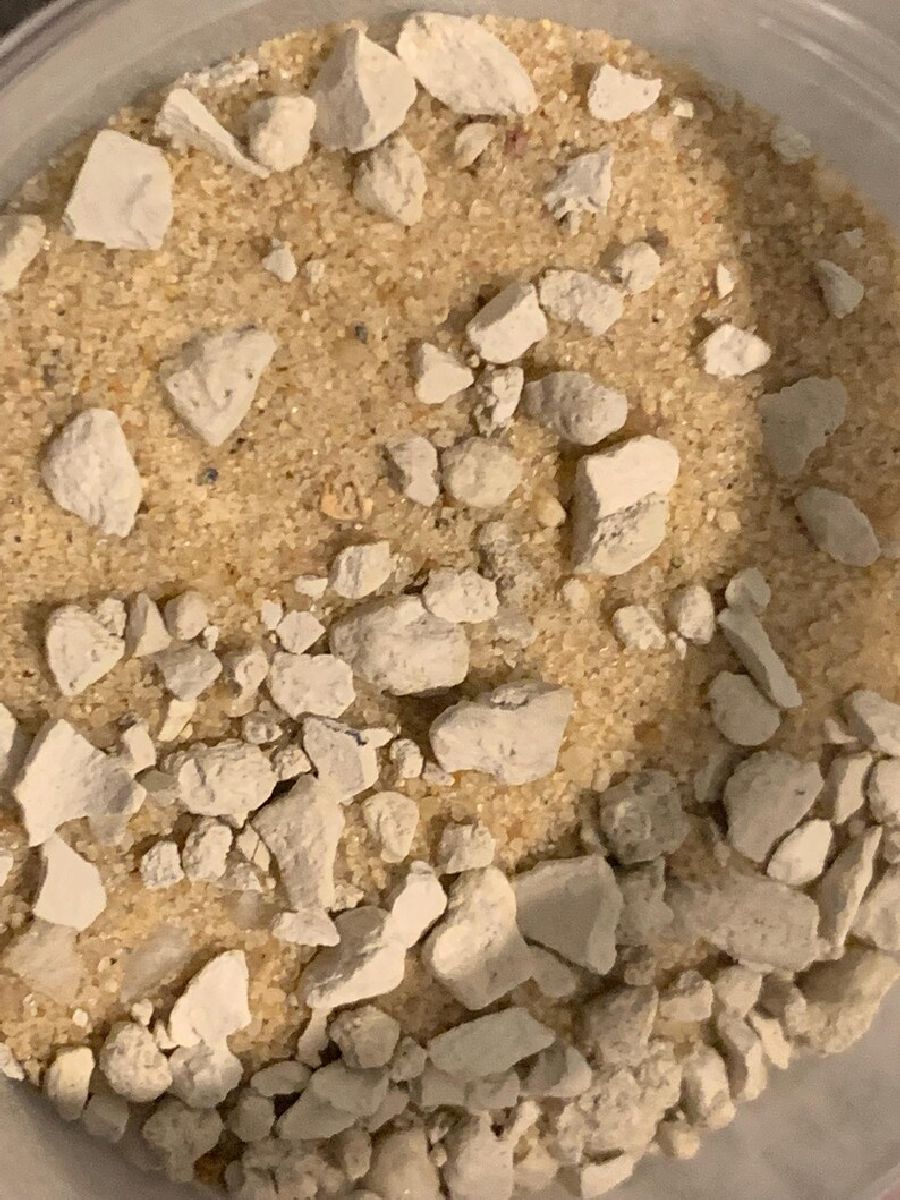
Shattered Rubble 2oz. Jar
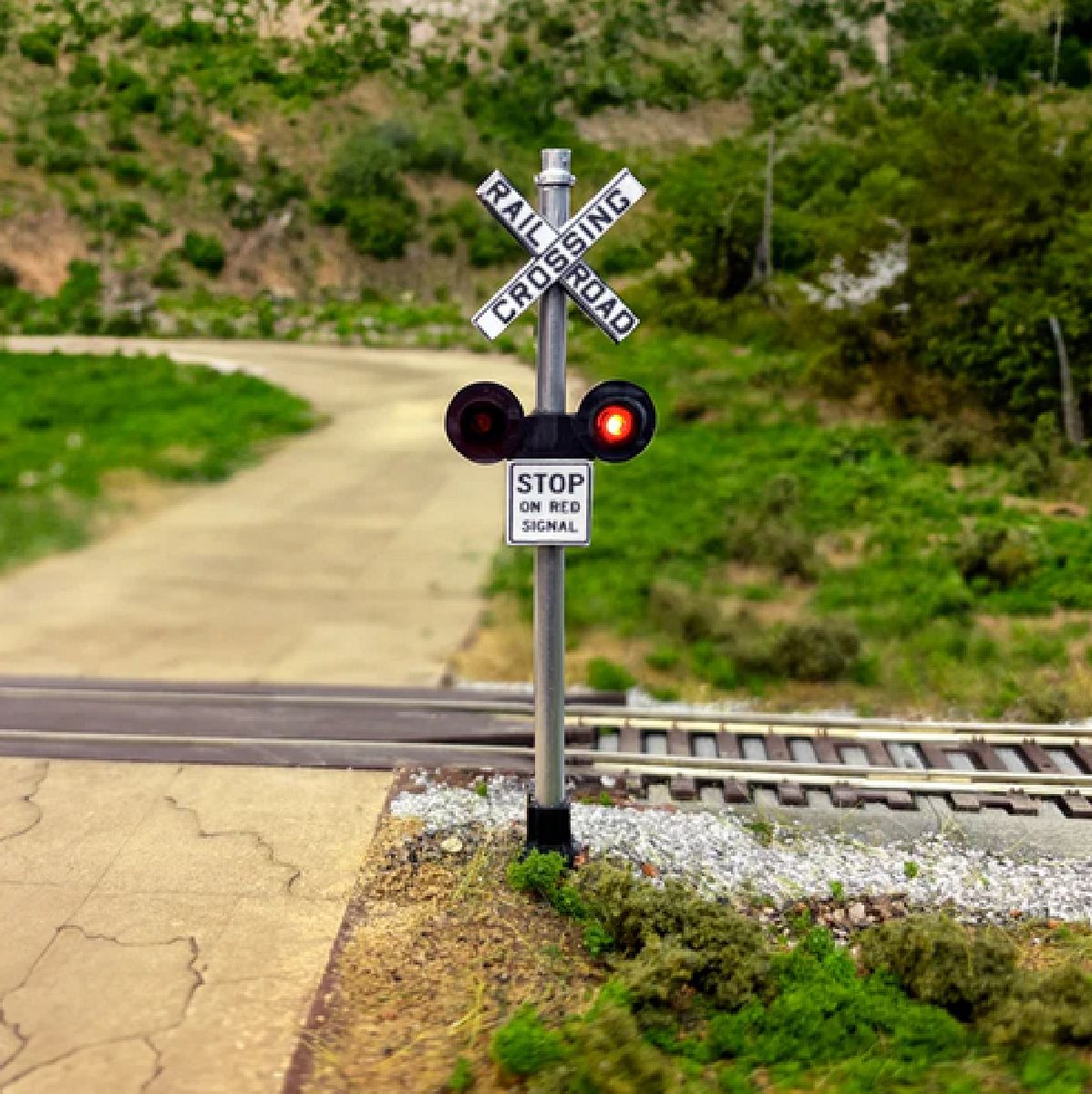
DVIRRXK101 HO Railroad Crossing Kit Lamplighter DFL w/ Power