
HO R17 2-Car Subway AddOn Metro/maroon/Dmy.
On June 1, 1940, the City of New York acquired the two subway
systems it didn’t already own — the IRT
(Interborough Rapid Transit Co.) and the BMT (Brooklyn-Manhattan
Transit Corp.) — and consolidated them with the city-owned
IND (Independent Subway System). It was readily apparent that the
city’s fleet of aging subway cars was desperately in need of
replacement, and immediately after World War II, management began to
develop a new car that would be standard throughout the system and
incorporate the latest advances in subway design. This effort was
complicated by the fact that portions of the IRT had tighter clearances
than the IND and BMT, so all future designs would incorporate a
shorter, narrower IRT version.
Beginning with contract R-10, and IRT-sized contract R-12
delivered in 1948, the new cars featured welded steel bodies,
fluorescent lighting that made them considerably brighter than prewar
cars, and seating made of foam rubber covered with velon, a new plastic
material that replaced the rattan seating of older cars. A major
improvement was a new type of brake system known as Straight Air Motor
Car Electric-Pneumatic Emergency (SMEE), which combined ordinary air
brakes with dynamic braking, in which a car’s electric
motors, by having their polarities reversed, were converted to
generators in order to slow the car. This significantly reduced brake
shoe wear and maintenance costs. Beginning with the R-12, the postwar
IRT cars were known as the SMEE fleet.
The 400 cars built under contract R-17 were part of the 1950s
expansion of the SMEE fleet, which also included the similar-looking
R-15, R-21 and R-22 cars. As was normal practice at the time, the 400
R-17 cars delivered by St. Louis Car Co. in 1955-1956 were evenly split
between General Electric and Westinghouse electrical gear, with each
company equipping half the cars. The R-17s could be operated
independently or with any other SMEE cars, and various SMEE types were
often intermixed in trains. Ten of the R-17s were delivered with
factory-installed air conditioning. The experiment proved unsuccessful,
however, and the AC was later removed. Also removed were the
comfortable velon seats, which proved an easy mark for vandals and were
replaced by hard fiberglass benches.
Delivered in a maroon paint scheme, the R-17s were repainted
in the MTA’s new blue and silver colors in the 1970s. A
less-than-successful white scheme, intended to discourage taggers,
followed in the 1980s. And just a few years before their retirement in
1988, 16 cars were painted in the “fox red” used on
the Redbird cars, although the R-17s were never officially part of the
Redbird fleet.
Preservation and Movie Roles
You can still ride an R-17 today in New York and Connecticut.
Both the New York Transit Museum in Brooklyn and the Shore Line Trolley
Museum in East Haven, Connecticut have a restored, operational R-17. In
fact, the Shore Line’s Car 6688 appears in the movie The
Amazing Spider Man 2. Other film appearances by R-17s include The
French Connection, Ron Howard’s Night Shift, and an interior
shot in the opening credits of Oliver Stone’s Wall Street.
Durable ABS Intricately Detailed Bodies
- Metal Wheels and Axles
- Overhead Interior Lighting
- Die-Cast 4-Wheel Trucks
- Operating Die-Cast Metal Couplers
- Authentic Paint Scheme
- Detailed Car Interiors
- Stamped Metal Floors
- Detailed Car Undercarriage <li> Unit
Measures:27” x 2 1/2” x 3 3/8” - Operates On 18″ Radius Curves
Featured Products
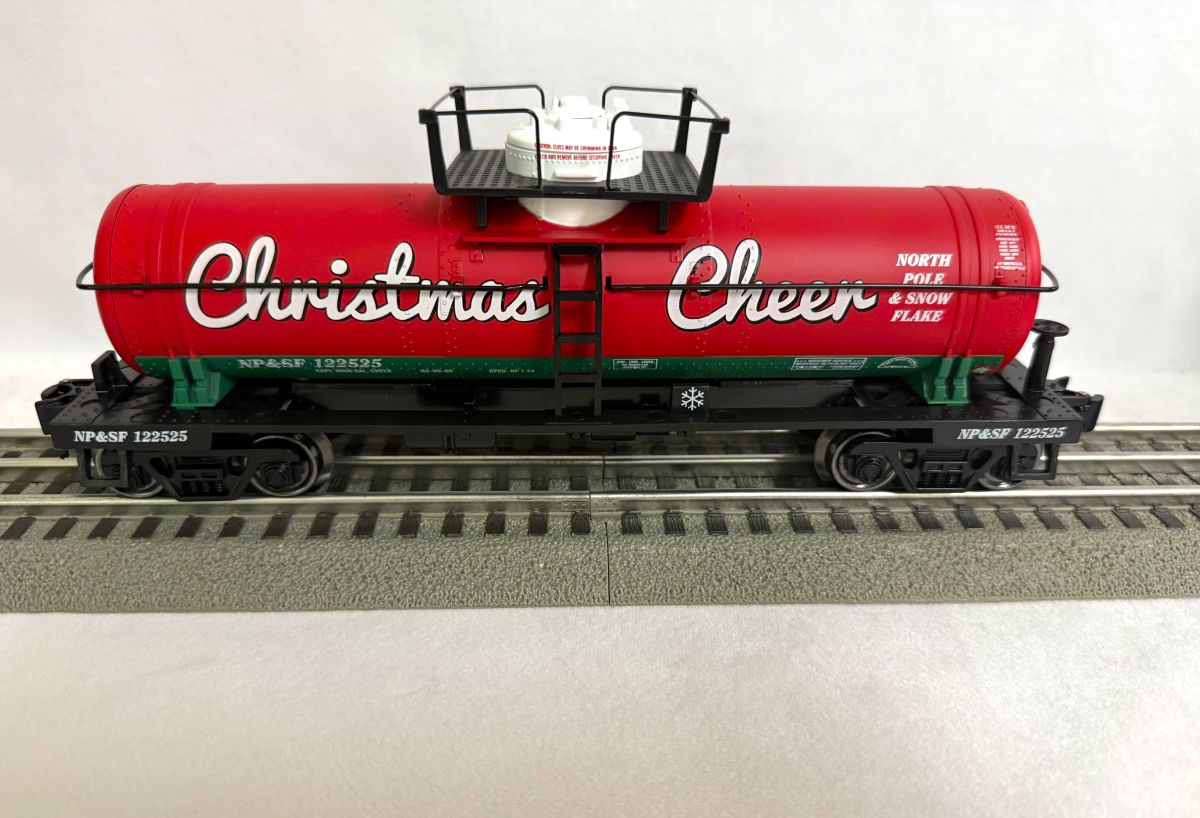
O Tank Car Christmas Cheer
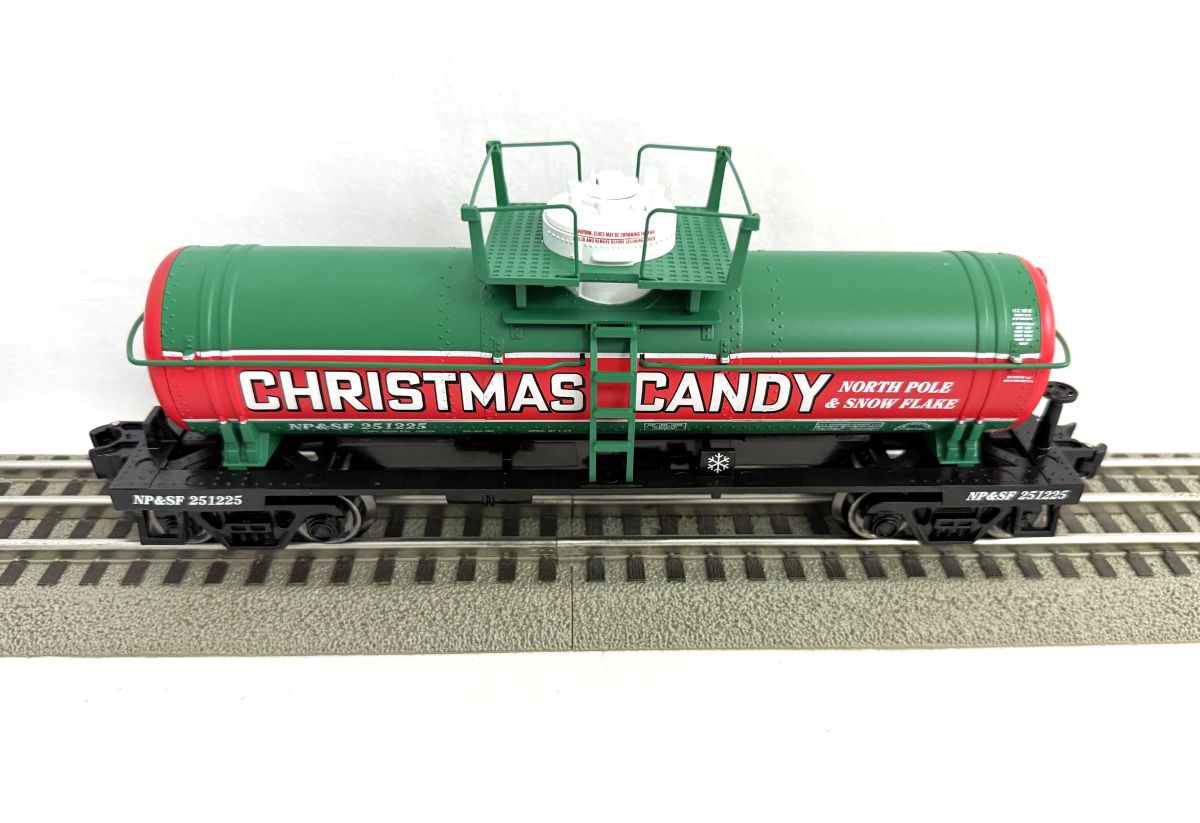
O Tank Car Christmas Candy
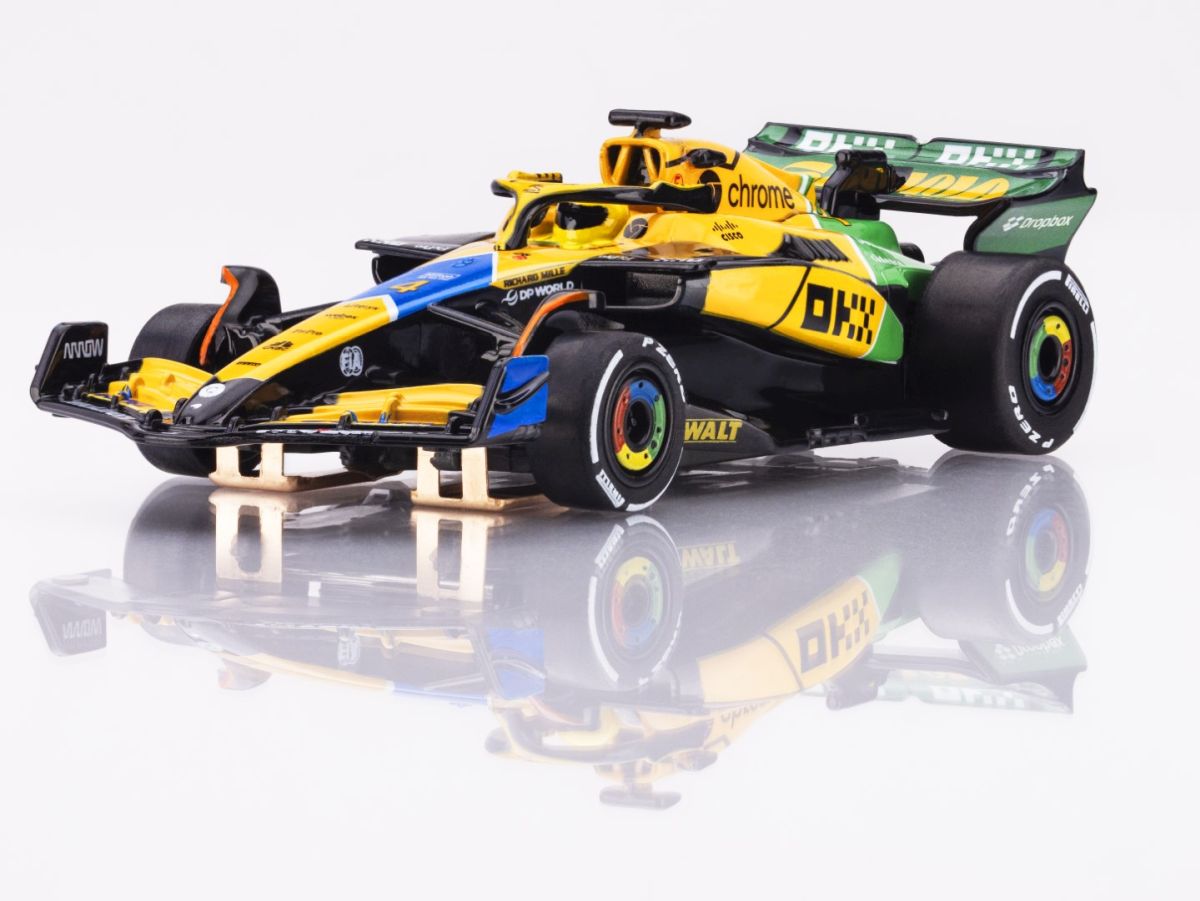
McLaren F1 MCL38 #4 Senna Monaco 2024
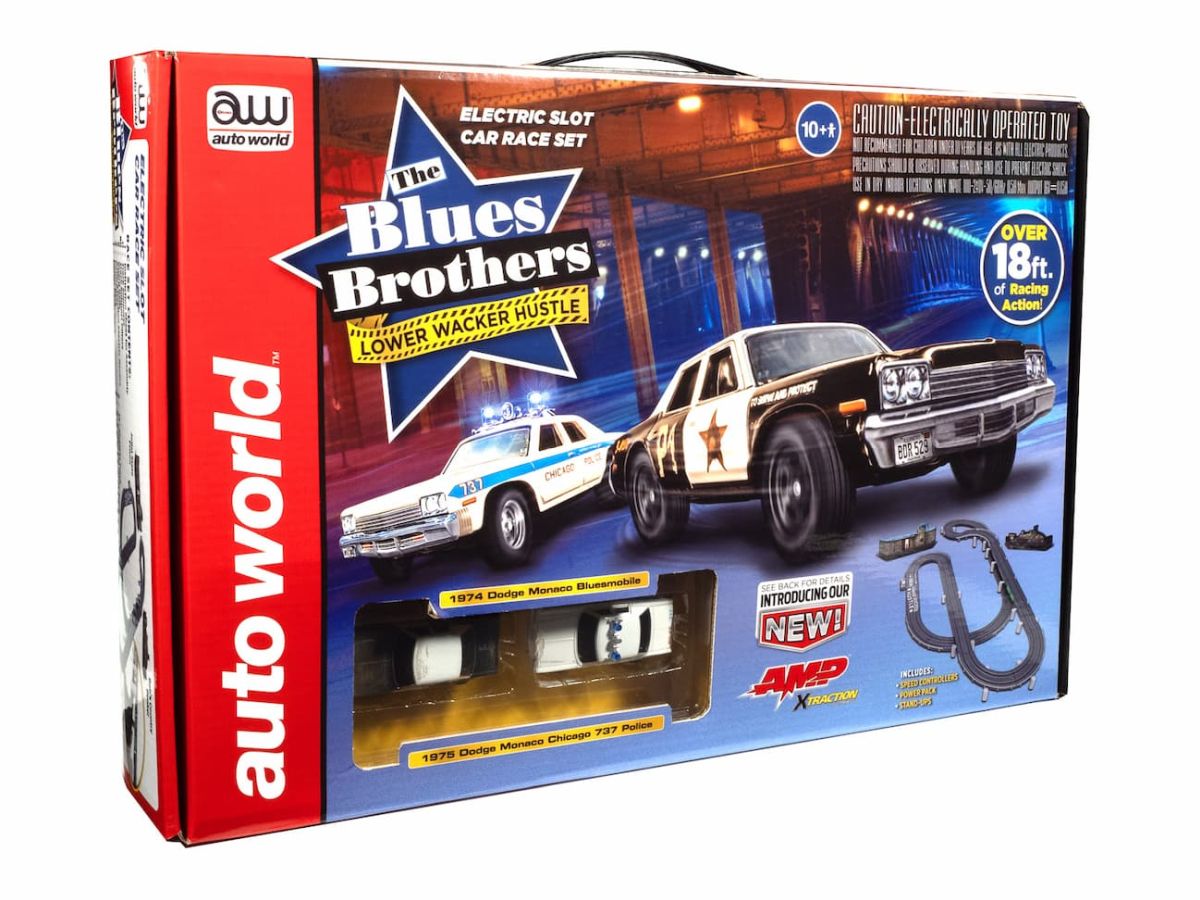
TARIFF 18′ Blues Brothers Lower Wacker Hustle Slot Race Set
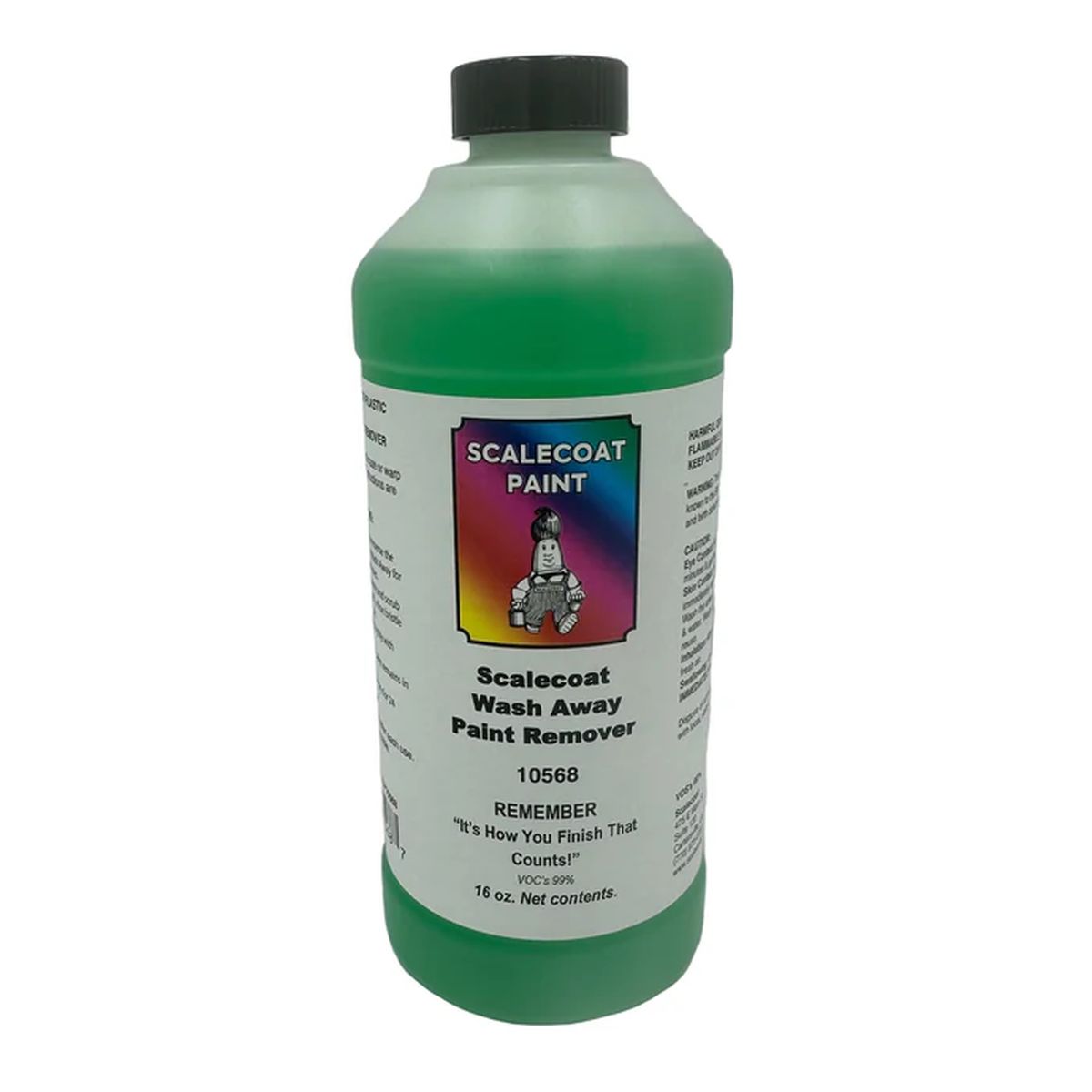
Wash Away Paint Remover

Buffalo Snow Flurries Extra Fine
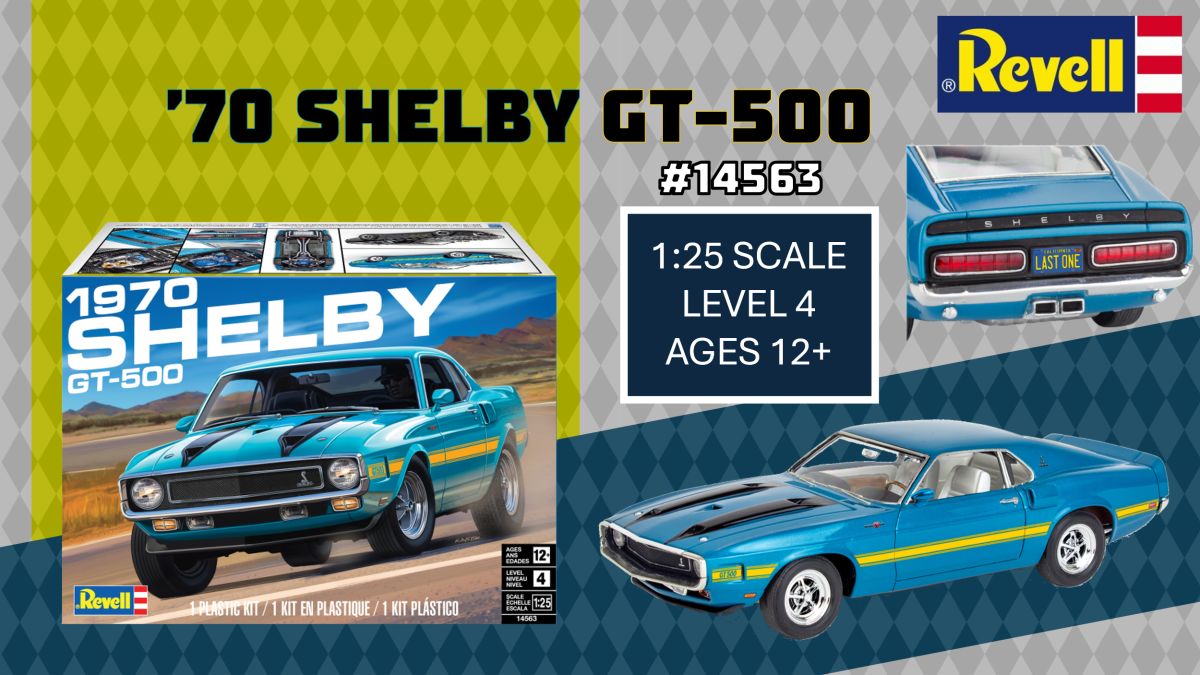
70 Shelby Gt-500 Skill 4
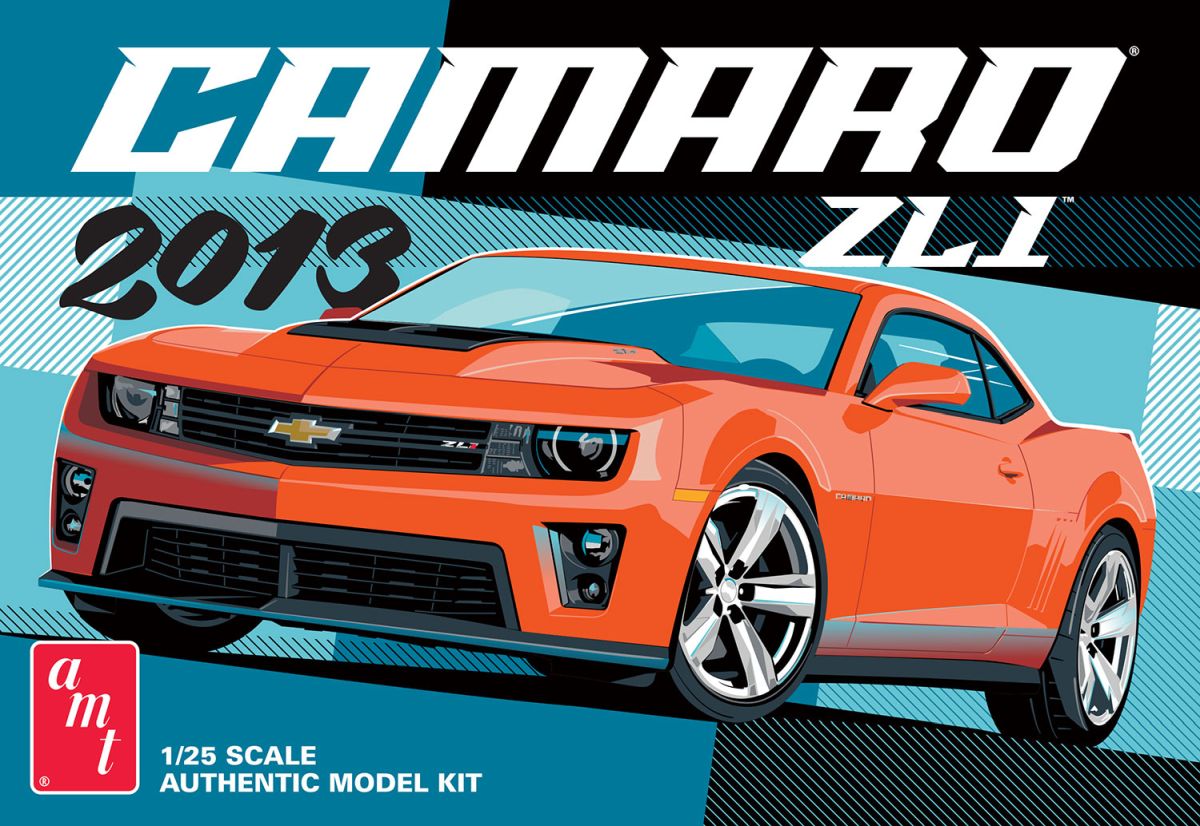
TARIFF 2013 Chevy Camaro ZL1 Skill 2

TARIFF 1969 Hurst Oldsmobile Cutlass Skill 2
N Merry Christmas Steam Freight Set/0-6-0